Mould is typically linked to bathrooms and kitchens, but bedrooms are equally at risk — particularly where poor ventilation and excess moisture accumulate around clothing, bedding and furniture.
With searches for ‘how to get rid of mould in the bedroom’ reportedly up more than 150 per cent in the past two months (compared with the previous two-month period), it is clearly an issue many households are now trying to address.
Scott Shields, CEO of wooden bed manufacturer Get Laid Beds, says the bedroom can be ‘the perfect place for mould to thrive’ if preventative steps are overlooked.
‘The bedroom may be the last place you expect mould to appear, but it is more common than you might think,’ begins Scott. ‘Mould develops in spaces with poor ventilation and excess moisture and feeds on the organic materials in clothing and bedding, such as cotton and wool, making the bedroom the perfect place for mould to thrive should you not take preventative measures.

‘Not only is mould unsightly, it also poses a number of health risks, has an unpleasant odour and can lead to structural damage within a property.’
With that in mind, he has identified three common bedroom storage mistakes that can increase the risk of mould build-up — along with simple ways to reduce moisture levels and improve airflow.
1. Overcrowding drawers and wardrobes
‘One of the most common mistakes people make that can cause mould in the bedroom is overcrowding drawers and wardrobes. Packing clothes in your storage spaces too tightly restricts airflow and creates humidity, encouraging mould growth,’ Scott explains.
To help reduce the risk, he suggests spacing garments out so air can circulate more freely, alongside using moisture-absorbing products.
‘To prevent this, ensure there are small gaps between clothing items, and invest in wardrobe dehumidifiers or other moisture-absorbing products like silica gel packs,’ he advises.

2. Positioning furniture directly against walls
Furniture positioned flush against walls can trap condensation, increasing the likelihood of mould forming behind or beneath it.
‘Having furniture, like a double bed, or storage accessories such as a chest of drawers positioned directly against walls, especially exterior walls, can trap condensation. This then seeps into the storage materials, allowing mould to develop,’ reveals Scott.
But Scott says even a small adjustment can help reduce the risk: ‘By elevating your storage units and furniture off the ground and away from the wall, you can prevent mould from growing and spreading. This creates airflow, preventing excess moisture.’
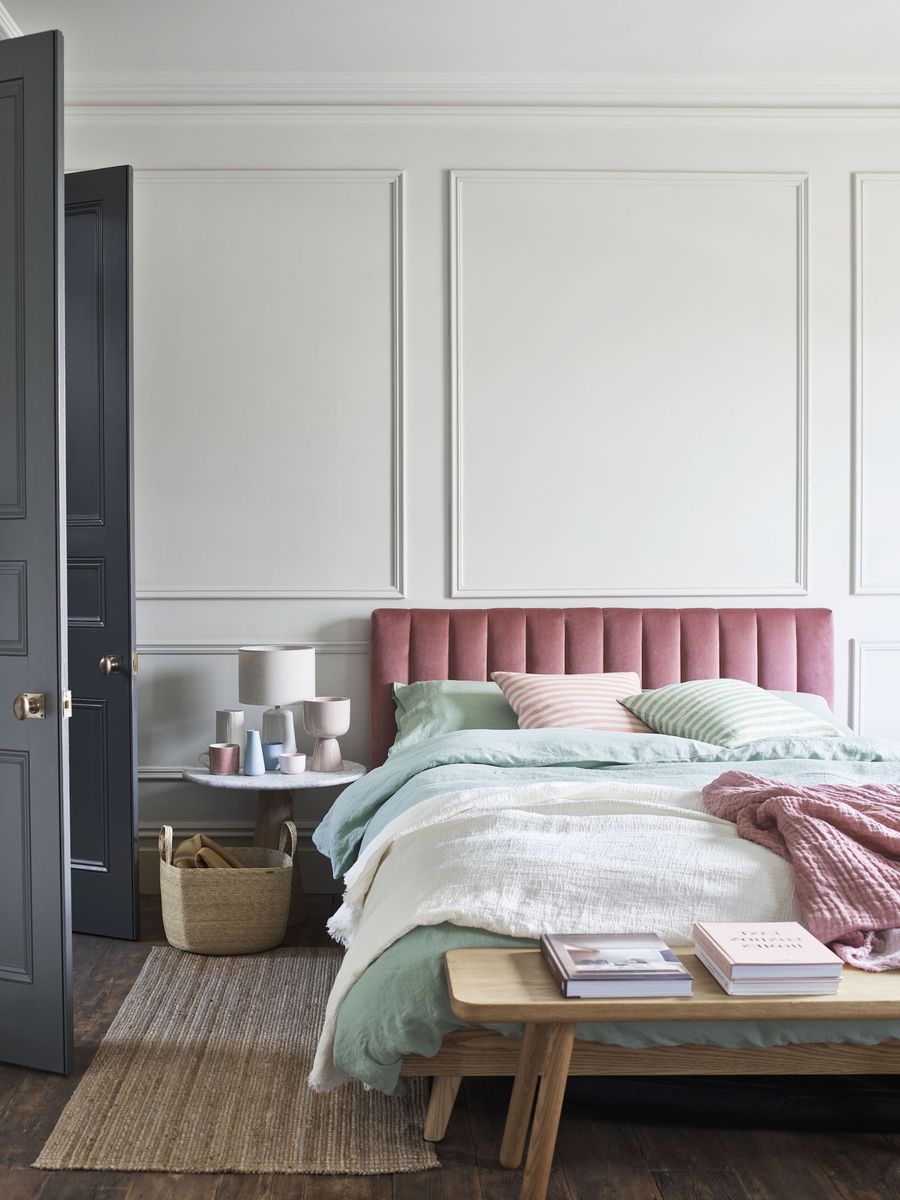
3. Drying clothes indoors
Drying clothes indoors releases excess moisture into the air, which is why Scott warns this everyday habit can contribute to mould in the bedroom.
‘Mould is more common during the winter months as everyday practices like drying clothes indoors leads to added moisture and humidity in the bedroom,’ he says.
If drying indoors is unavoidable, he recommends adding moisture control nearby.
‘If you dry clothes indoors, use a dehumidifier or place moisture absorbers in the wardrobe and under the bed to draw moisture away from bedding and clothing.’
How to help prevent mould in the bedroom

Scott says preventing mould is ‘fairly straightforward if you keep on top of your house chores’.
He recommends regular cleaning, keeping storage spaces well ventilated and choosing breathable storage over moisture-trapping options.
‘The best solution to prevent mould growth when storing items in the bedroom is through regular cleaning and ensuring storage spaces are well-ventilated,’ he says. ‘Instead of plastic storage boxes that trap moisture, opt for wooden or fabric storage products that have holes for airflow. You should also keep furniture and boxes away from exterior walls and regularly clean surfaces that may attract excess moisture.’
Follow House Beautiful on Instagram, TikTok and Pinterest
 Bank SWIFT Code | agus setiawan | kodepos | jember explore | frasmedia | belajar ngeblog
Leave a Reply