Northumberland Wildlife Trust releases short films showcasing conservation at nature reserves

Two films have been produced to highlight the work which is being undertaken by Northumberland Wildlife Trust’s Biodiversity Boost Project for readers and nature lovers to enjoy. The Project was made possible by a £750,000 grant from the Species Survival Fund, in partnership with Defra and the National Lottery Fund.

The Species Survival Fund is a short-termed programme designed to support the creation and restoration of wildlife rich habitats in England. The Biodiversity Boost Project will help in this aim by increasing and enhancing the habitats across the wildlife charity’s Hauxley, East Chevington and West Chevington reserves as well as Northumberland Zoo over the last 18 months.

The project revolves around restructuring of plantation woodland, reedbeds and waterways as well as creation of species rich grassland, a wildflower meadow and wetlands areas. Partners of the project include EcoNorth, Flexigraze and Northumberland Zoo.

  • A19 crash LIVE: Road closed in both direction after ‘serious’ crash
  • Two taken to hospital after collision on the A1 in Northumberland

The project also hopes to connect local communities with nature through a range of volunteer tasks, events as well as physical improvements on the reserves such as the installation of two new hides, wildlife cameras and enhancing access through the creation of new footpaths and bridleways. Some of the project’s plans include the introduction of a small herd of goats in East Chevington in the area for the Lesser butterfly orchids and the introduction of Exmoor ponies and highland cows that have been employed to help the creation of the wildflower meadow in Hauxley.

Both films were produced by Brain Cosgrove and his team from Collingwood Arts and Media College in Morpeth and Helen Walsh who is the Wildlife Trust’s Biodiversity Boost Officer. Helen said: “Looking back through all the footage we’ve collected over the last 20 months we can really appreciate the changes that have been made and the work that has gone into delivering this project.”

Lee Rankin, Druridge Bay Biodiversity Boost Officer, said: “It’s a perfect partnership, everyone gets something out of it. It’s a good way to reconnect with nature.” The first film offers an overview of the West Chevington reserve which is one of the wildlife charity’s most ambitious lowland recovery sites in the north of England that forms an integral part of the Trust’s fight against climate change.

Future plans for the area, which was a former opencast mine site that now consists of conifers, mixed woodland, grassland and arable land, includes the grassland and woodland to become home to a free ranging herd of cattle. The second film focuses on grazing which gives a potted history of grazing across the natural Druridge Bay landscape before coming up to date with details of several of the wildlife charity’s Flexigraze conservation projects.

Traditionally natural landscapes would have been shaped by large herbivores such as elk, aurochs and wild ponies which grazed on the vegetation but due to extinction or being absent from the landscape, these roles have been filled by humans or machines. Lee said that using goats for: “specialised grazing is less intensive and more sustainable” for the wildlife and natural areas, helping the eco system from the plants to insects to birds.
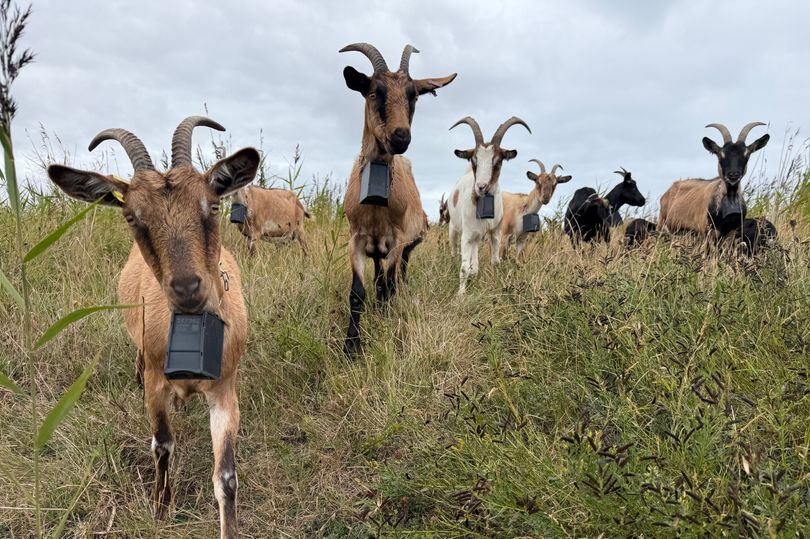
The animals are fitted with GPS ‘NoFence’ collars which are able to draw and create invisible fences that the livestock can not cross which can be used to exclude the animals from areas that need to be protected as well as tracking the animal’s grazing habits and behaviours. The hope of this project is to continue to maintain and improve habitats on our Druridge Bay reserves in a more natural way with far less human intervention.

The highland cattle and goats already on the reserves are already proving to be a great addition for visitors which can also be viewed on the films. Lee said the films are: “Another really good way to communicate with the public. A two minute video can say a lot more than pages of text, being able to see what the animals and the staff do to help.”

This carries on from previous work done last year for the project in the East Chevington reedbeds, which are some of the largest in Northumberland, that were planted after the restoration of the East Chevington Opencast Coal site that closed in 1994. The quality of today’s reedbeds are often affected by pollution caused by agriculture runoff.

The work was done by Derrick Emms from The Sustainable Water Company cut channels within the reeds in the reserve’s south pool to reconstruct reedbeds suitable for a range of species including bitterns, small brown striped birds. As the reeds were removed by their rhizomes, underground stems of the plant that stores its nutrients, this allows them to be successfully moved to the north pool to increase the reeds in that area and reduce wave action on the lake.

The footage from the films include the goats grazing on the East Chevington reserve, an interview with Stephen Comber, Flexigraze manager and footage of Exmoor ponies and highland cows. Helen said: “We hope people take some time to enjoy our short little films.”

Did you know you can make lauriebrown.neta preferred source of North East news in Google, which will mean you get more of our breaking news, exclusives, and must-read stories straight away? Here’s more information about what this means and how to do it – you can also do it straight away by clicking here.
I’ve been testing the new anti-decluttering trend ‘wardrobe editing’ – here’s what I think

There are so many ways to declutter a wardrobe nowadays, and it feels like we’re constantly encouraged to let go of the items we no longer wear. So it’s fair to say that when I heard about a new anti-decluttering trend, ‘wardrobe editing,’ my interest was instantly piqued.

‘Wardrobe editing’ is here to tell us that maybe we don’t need to declutter our wardrobes. Instead, maybe we need to have a rejig and bring wardrobes up to speed with our current day-to-day living.

Intrigued? Me too. I’m a dedicated declutterer at this point, and I swear by many of the best professional decluttering methods for maintaining calm in my home. I was therefore keen to give ‘wardrobe editing’ a try to see if this wardrobe organising technique actually works.

What is wardrobe editing?

Where wardrobe decluttering is about letting go, wardrobe editing is about curation. The focus isn’t on getting rid of items; it’s on keeping and storing items that suit your lifestyle.

“Wardrobe editing is a shift from an overflowing wardrobe to a curated, seasonal approach,” Max Wilson, co-founder of Pocket Storage, explains. “It is no longer simply about a one-off declutter or following the ‘spark joy’ rule; rather, it is the strategic, seasonal management of your clothing.” Useful for ‘decluttering’ a wardrobe ahead of spring.

Most of our favourite decluttering techniques – from the ‘didn’t know’ rule to the snowball declutter method – are about culling items in your closet to make more space. Wardrobe editing does involve creating more space, but it takes a very different approach.

“It’s a gentler, smarter way to rethink your wardrobe,” Sophia Lorimer, sustainable stylist and founder of Fine-Tuned Wardrobe, says. “You focus on pieces you love, wear often, and that align with your values, so getting dressed feels effortless and meaningful.”

A big part of wardrobe editing is thinking seasonally, and prioritising items that you’re currently wearing day to day. “Think of your dressing area like a high-end boutique, where the inventory is rotated to remain relevant to the current weather, your personal style and your lifestyle,” Max suggests. “It’s about ensuring that every piece you see when you open your doors in the morning is a viable, confident choice for the day ahead.”

I tried wardrobe editing – and have some thoughts to share

When it comes to decluttering my home, the wardrobe has always been my downfall. I love clothes, and I know I could probably find more efficient ways to store them – especially at this time of year, when bulky knitwear takes priority.

Having now tried wardrobe editing, I can confidently recommend it to anyone who wants to try a different approach to decluttering this year. It’s helped me streamline my closet space and find new ways of storing clothes – ways that have made getting ready in the morning much easier.

How to try wardrobe editing

Wardrobe editing sounds useful, especially for people who find it overwhelming and want to make decluttering more manageable – but how does it work in practice?

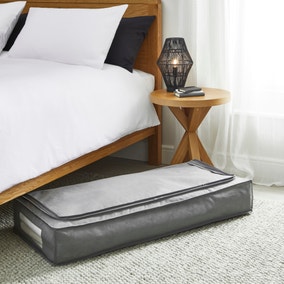
“Begin by identifying your ‘hibernation’ pieces, those items that are physically bulky but offer zero utility for the coming months,” Max suggests. “Once identified, these out-of-season garments should be moved into a dedicated ‘archive’ zone, whether that’s high-level shelving, under-bed storage or a secondary cupboard.”

Then, Max suggests, you can apply a ‘One-Year Review’: “if an item wasn’t worn during its relevant season last year, it should be considered for removal or repurposing. This ensures your primary wardrobe remains a functional, streamlined space rather than a historical record of past styles.”

When editing a wardrobe, you might not even get rid of any items – though that can absolutely be a part of it, if certain clothes immediately stand out as no longer serving you. But the emphasis is on creating a practical closet space that works for you in your current day-to-day. It should make getting dressed in the morning much, much easier.

Wardrobe editing is also pretty much the opposite of the ‘purging panic’ approach, where we pull everything out of the wardrobe and haphazardly throw things into a donate pile. This is an easy decluttering mistake to make, and means we’re more likely to regret letting go of things than we would with the considered, conscious approach of wardrobe editing.

My review of wardrobe editing: tried & tested

As someone who’s put many decluttering methods to the test, I’m excited to try something different. Despite my attempts to cull the clutter in my wardrobe regularly, it still ends up feeling stuffed. Streamlining the space has been on my to-do list since Christmas, but I’m only just getting round to it – safe to say, I’m hoping that wardrobe editing can help.

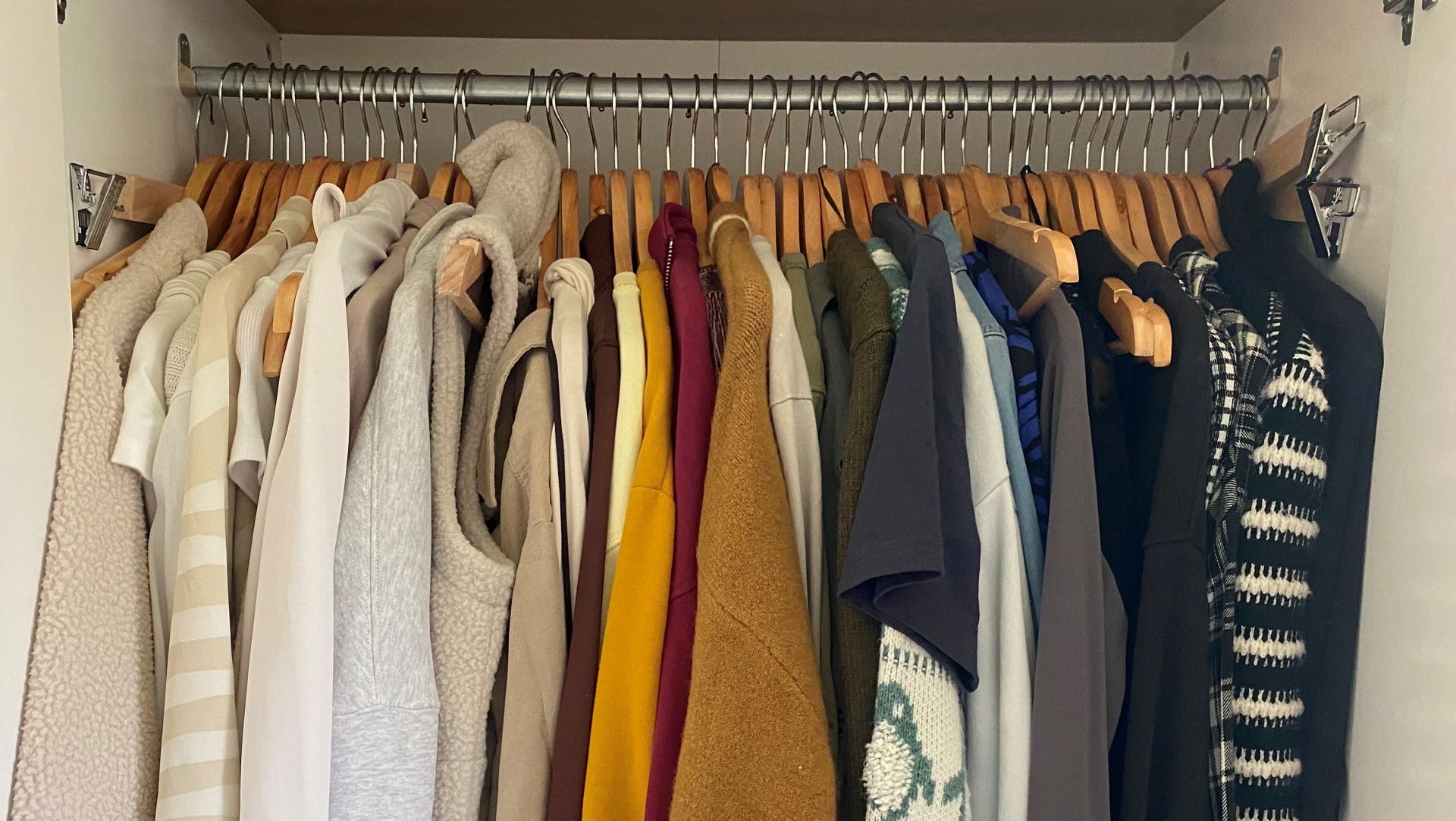
At first, it feels strange not to automatically start thinking about what to get rid of. Instead, I take a step back and look at my wardrobe as a whole – I can instantly tell that I’m not wearing half the items hung up in there regularly. So, I can definitely create more room by finding better storage solutions for out-of-season wear.

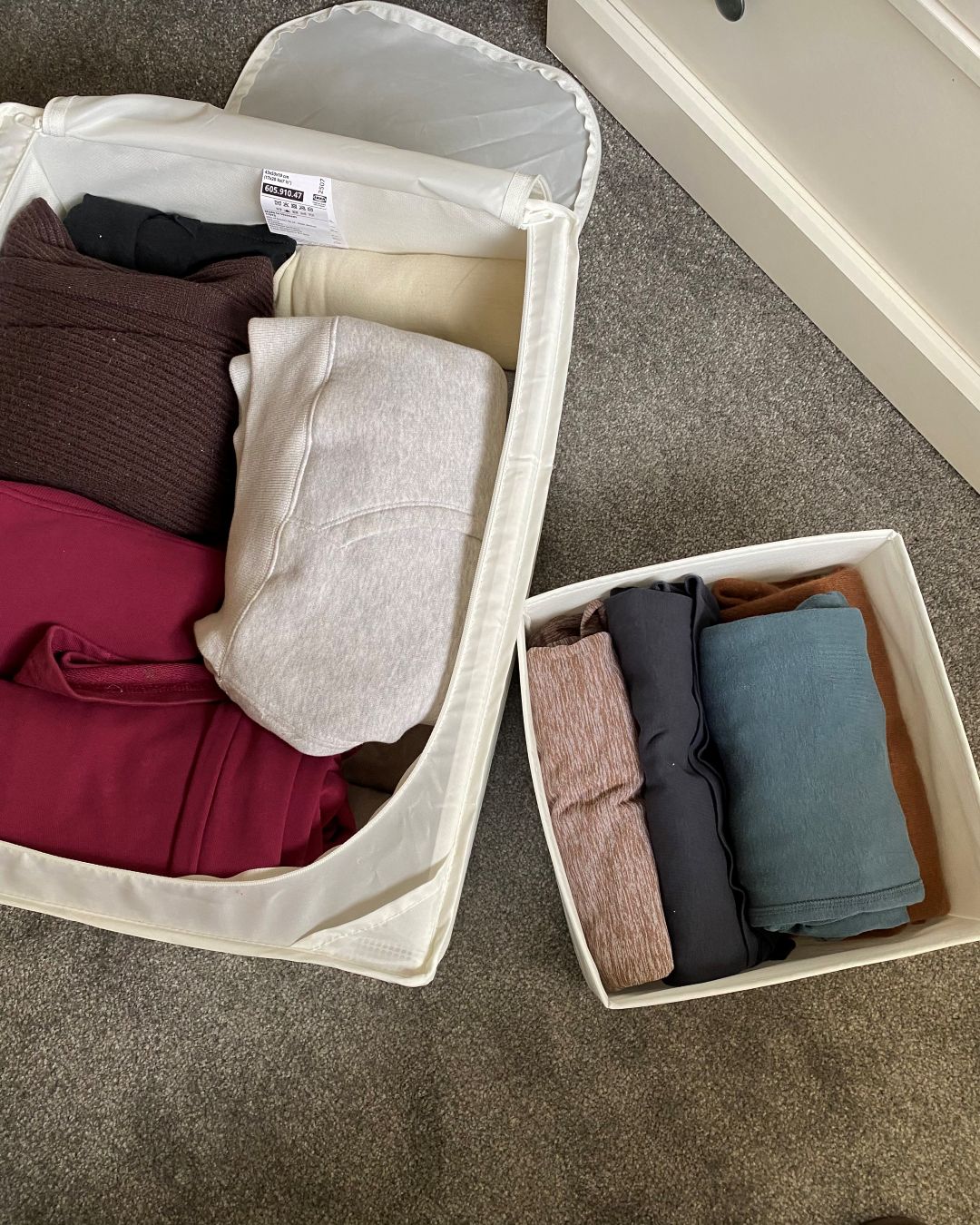
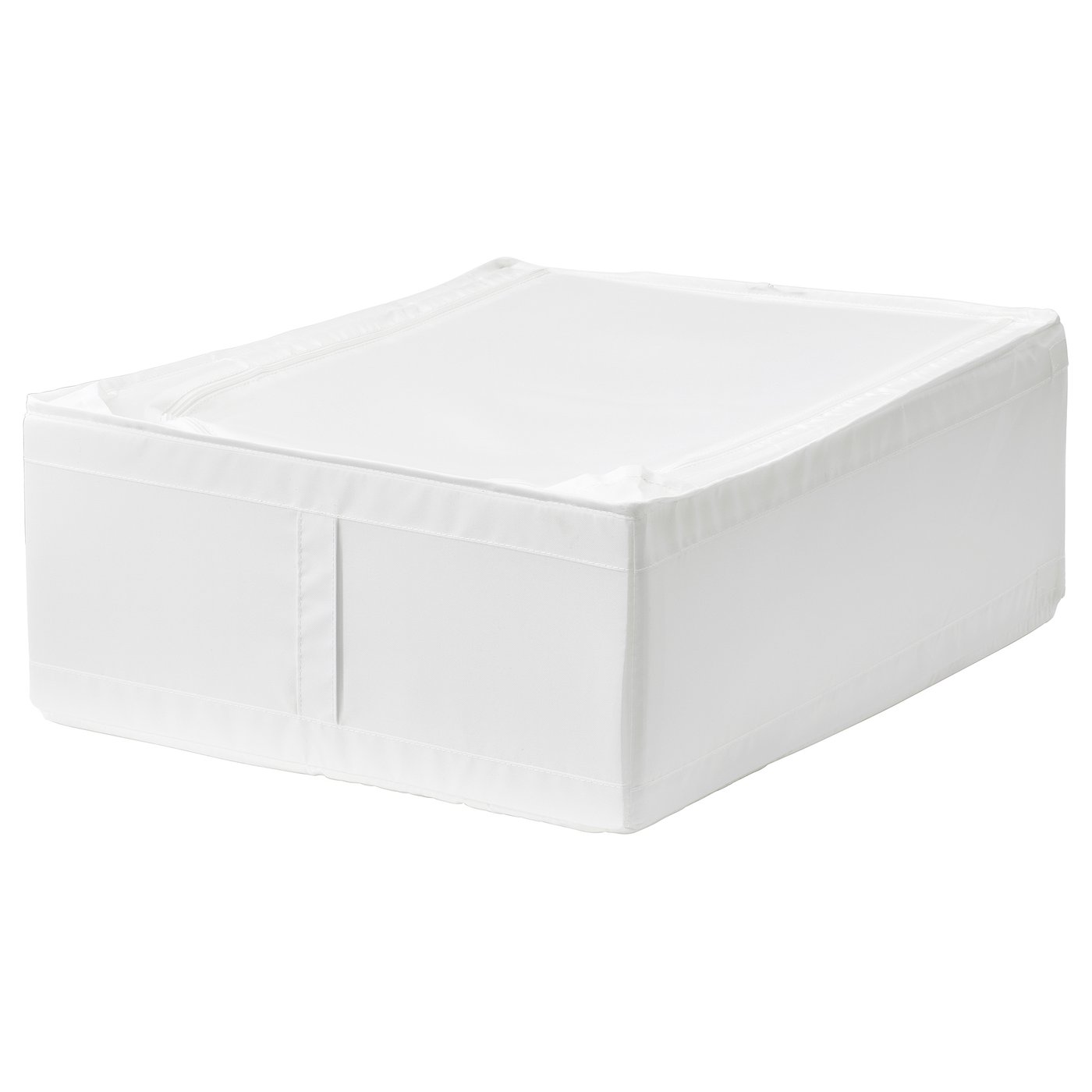
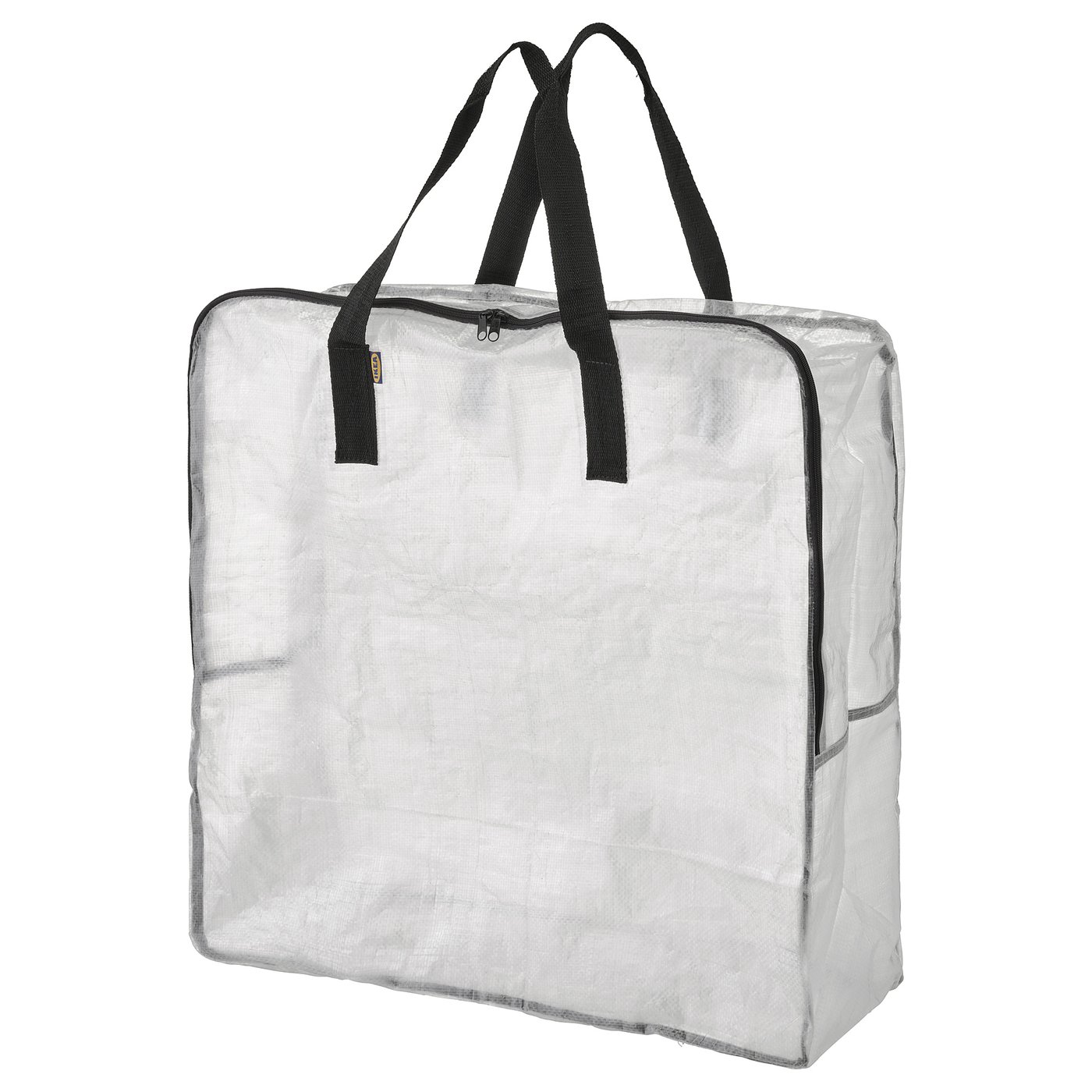
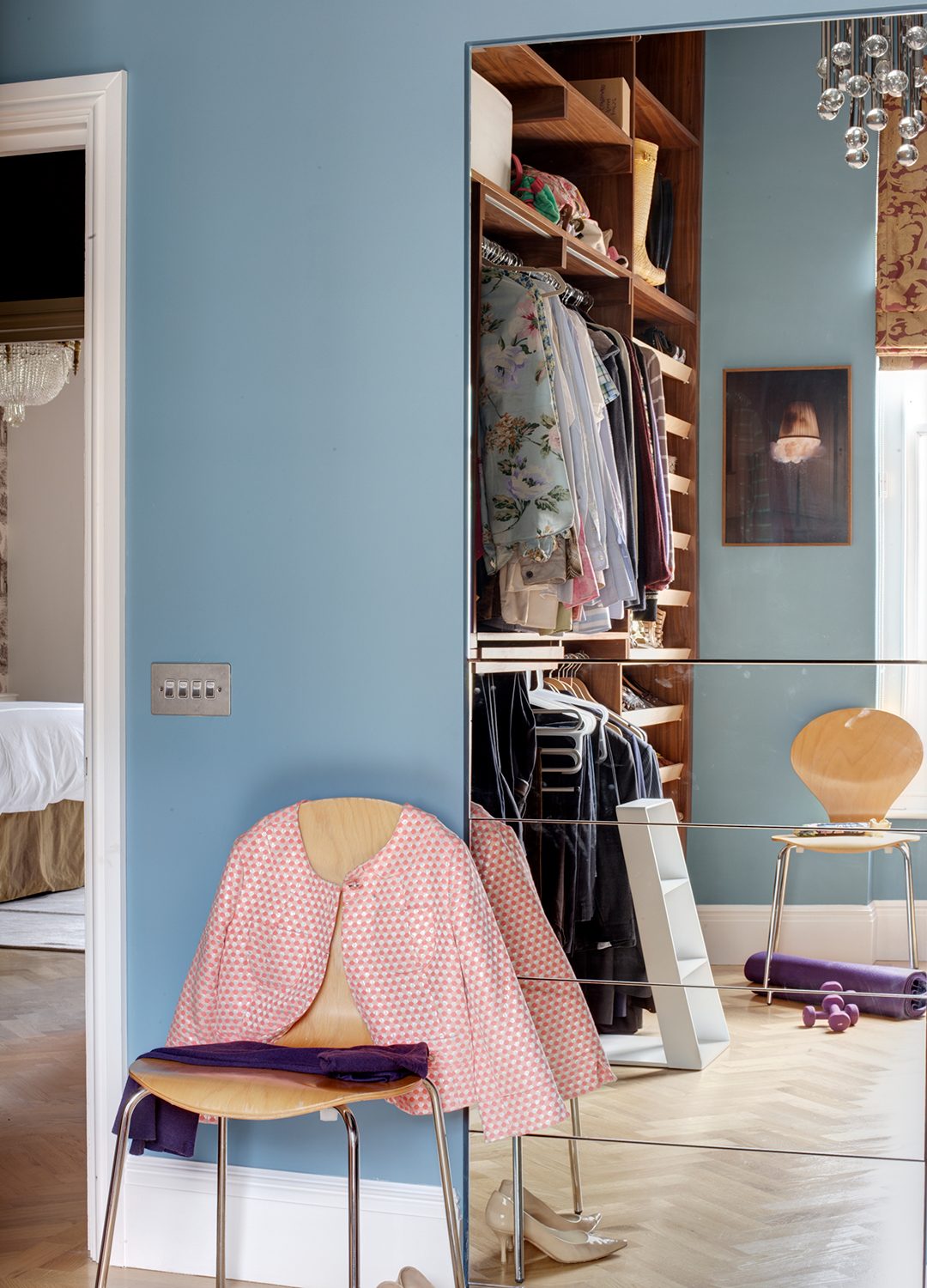
This is where IKEA’s space-savvy wardrobe solutions came in really handy. I transferred some items hanging in my wardrobe into my IKEA SKUBB storage case, which is roomy enough to store bulky items. Immediately, this made a huge difference, and there was a lot more vertical space in my wardrobe than before.

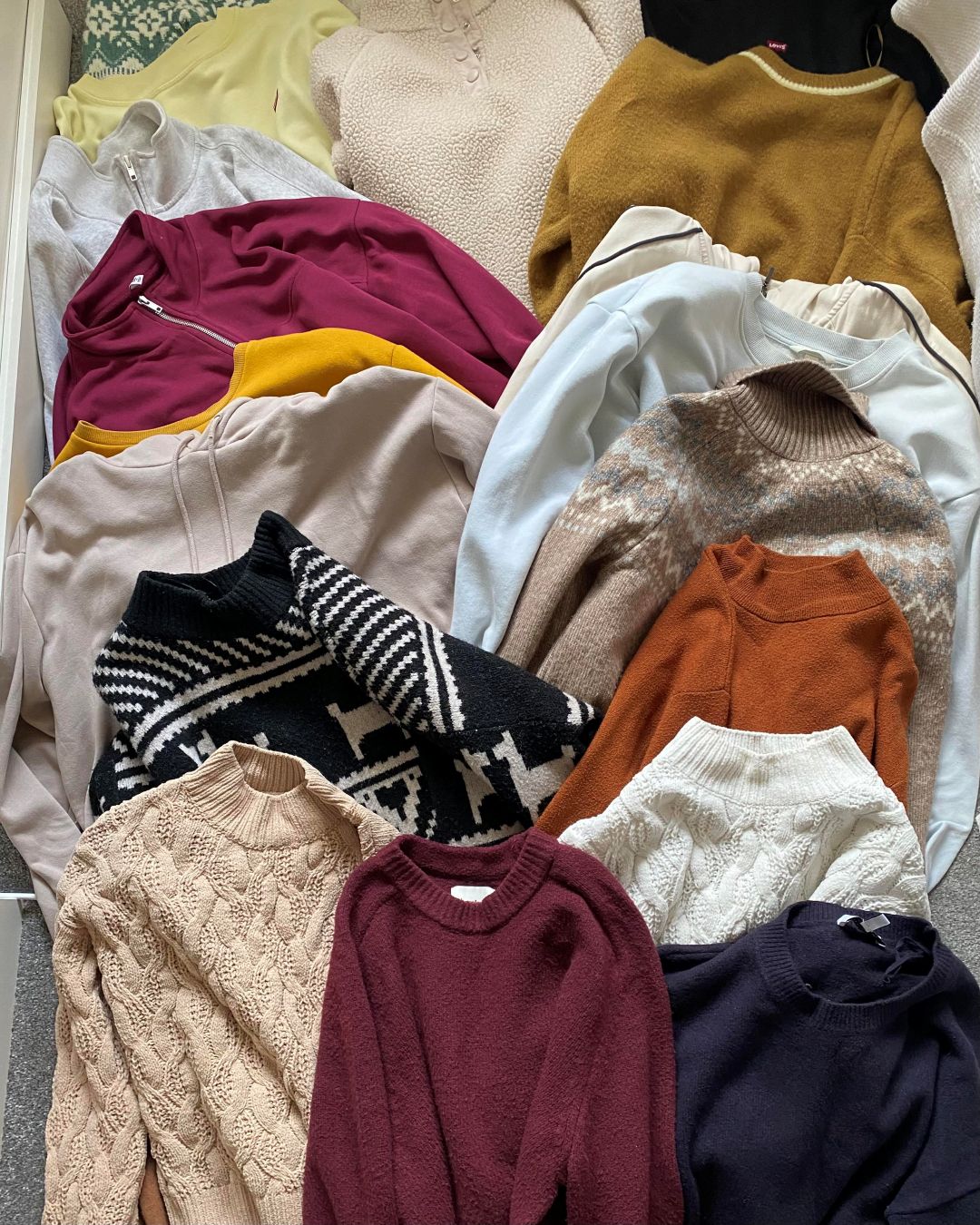
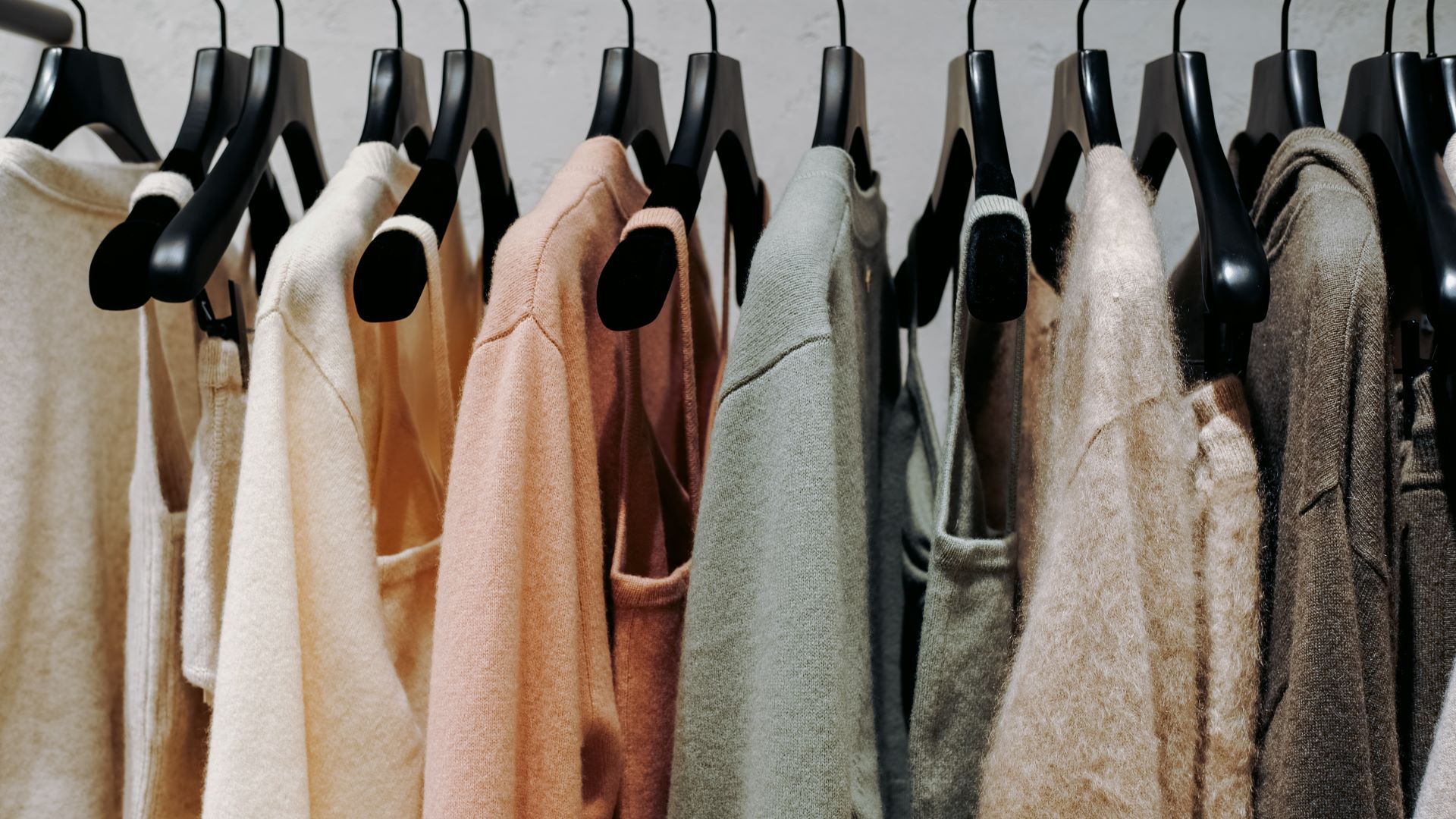
Knitwear is definitely a problem for me at this time of year. I seem to have collected way more jumpers and fleeces than I’m ever going to wear, so with the idea of curating a wardrobe that works for my current day-to-day, I decided to pull all my knitwear out of the wardrobe and put it on the floor.

You don’t have to do this when editing a wardrobe. But it felt right for me, because I knew I needed to let at least a couple of pieces of knitwear go, and laying everything out in front of me was the surest way to do this.

My eye was naturally drawn to the jumpers I hadn’t worn in over a year, so instead of finding an alternative storage solution, I decided to let go of these, applying the principles of the “didn’t know’ decluttering method.

In a way, wardrobe editing feels like a more mindful approach to decluttering – one where I’m not making snap decisions and second-guessing myself, because I’m actually taking the time to think everything through.

I think it would be especially helpful to try wardrobe editing as the seasons change, storing jumpers, etc. A big part of this method is finding alternative storage solutions for out-of-season wear, and I’m already thinking that I’ll come back to this approach when spring finally gets here.

If you’re currently storing all of your garments and accessories in one space, I’d highly recommend removing the items that aren’t currently being used. It will make a world of difference to your closet space and instantly make everything feel less overwhelming.

That said, wardrobe editing might be easier said than done if you don’t have alternative spaces to store your clothes. I was able to find room under the bed and in our secondary closet, but it helps to have a space in mind before starting the process.

Wardrobe editing essentials

Editing my wardrobe has made a big difference when getting ready in the morning, and equally, putting my clothes away at the end of each day. Where before I was fighting a battle to stuff everything back in there, I can now hang up items I’ve worn that day with ease. It’s even made deciding what to wear for certain occasions easier, as I can easily see my current rotation of clothes at a glance.

In all, I’d definitely recommend giving wardrobe editing a try. Just don’t let it put you off decluttering completely – there will always be a time and a place for letting go of items you no longer wear.

Like this article? For more stories like this, follow us on MSN by clicking the +Follow button at the top of this page.

Iran’s ‘one word only’ for America in tense standoff at emergency UN Security Council meeting

Iran’s representative told an emergency United Nations meeting that they have ‘one word only’ for the United States following the deadly airstrikes on Iran earlier today. 

Iran’s Ambassador Amir Saeid Iravani told America to be ‘polite’ at the emergency meeting following Operation Epic Fury, which saw airstrikes targeting Iran’s nuclear and missile programs. 

‘I have one word only,’ Iravani said, at the meeting in New York City on Saturday. ‘I advise to the representative of the United States to be polite.’

‘It will be better for yourself and the country you represented, thank you.’

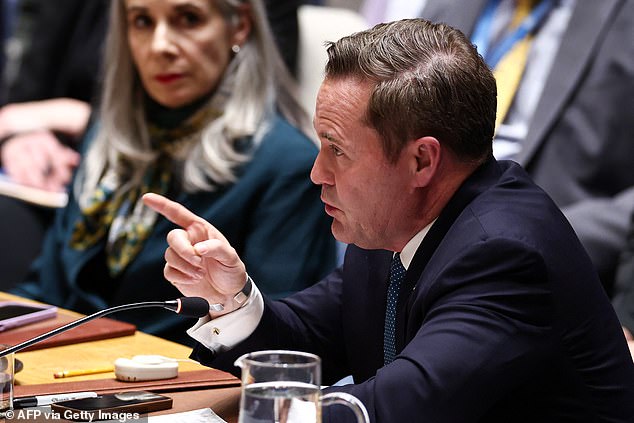
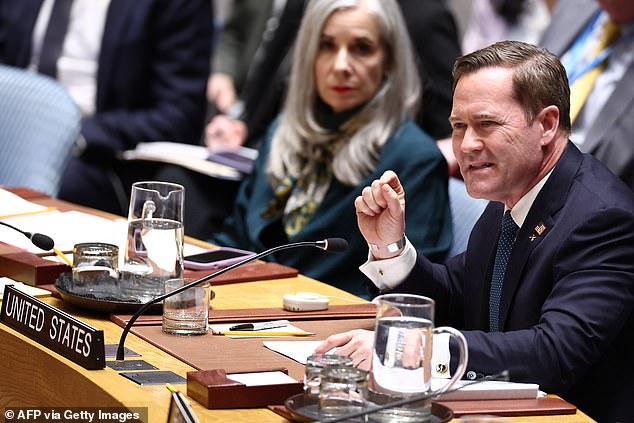
US Ambassador Mike Waltz hit back at Iravani and said: ‘Frankly, I’m not going to dignify this with another response.’

‘Especially, as this representative sits here, in this body, representing a regime that has killed tens of thousands of its own people and imprisoned many more simply for wanting freedom from your tyranny,’ he concluded. 

The tense meeting saw Iravani describe the war against Iran as one against international law and international legal order under the United Nations Charter. 

‘This morning, the United States regime – jointly and in coordination with the Israeli regime – initiated an unprovoked and premeditated aggression against the Islamic Republic of Iran for the second time in recent months,’ Iran’s ambassador said. 

‘This is not only an act of aggression; it is a war crime and a crime against humanity,’ Iravani continued. 

‘The invocation to “preemptive attack”, claims of imminent threat, or other unsubstantiated political claims, are unfounded legally, morally and politically.’ 

The UN Security Council, charged with ensuring international peace and security is maintained, is comprised of 15 members, including five permanent members; China, France, the Russian Federation, the United Kingdom and the United States. 

Other current members include Bahrain, Colombia, Democratic Republic of the Congo, Denmark, Greece, Latvia, Liberia, Pakistan, Panama and Somalia.

At around 1.15am on Saturday, the US and Israel began hitting Iranian targets to ‘dismantle the Iranian regime’s security apparatus.’ According to the United Nations News, the strikes do not meet the criteria of lawful self-defense and ‘constitute a violation of Article Two’.

In response, Iran said it will invoke, ‘without hesitation,’ the Charter’s Article 51 for its ‘inherent and lawful’ right to self-defense. 

But, Israel’s Ambassador Dany Danon said the attacks were an ‘act of necessity’ to put an end to an ‘existential threat,’ UN News reported. 

‘This is not the anger of a radical fringe,’ Danon said. ‘It is State-sanctioned hatred.’ 

Waltz equally defended the operation, and said: ‘This is a moment in history that requires moral clarity.’

Waltz claimed that the operation had ‘specific and strategic’ objectives in efforts to reduce missile capabilities that threaten allies, target naval assets used in international waters and disrupt machinery that provides militant weaponry. 

The efforts, according to Waltz, were to make sure that ‘the Iranian regime can never, ever threaten the world with a nuclear weapon’.

‘No responsible nation can ignore persistent aggression and violence,’ he said, referring to violent organizations in the Middle East, such as Houthis, Hezbollah and Hamas, that Iran has supported, according to Waltz. 

He continued that the country presented a ‘grave and mounting danger’ as it continued to seek out missile capability advancements and nuclear goals. 

Waltz added that the Council has attempted to thwart this threat, including in resolution 1696 in 2006 that ordered Iran to suspend all uranium enrichment and reprocessing. 

However, Iran did not and the Council enacted resolutions 1737 in 2006, 1747 in 2007, 1803 and 1835 in 2008 and 1927 in 2010, which represented ‘the world’s collective judgement’ that the country posed a threat, UN News reported. 

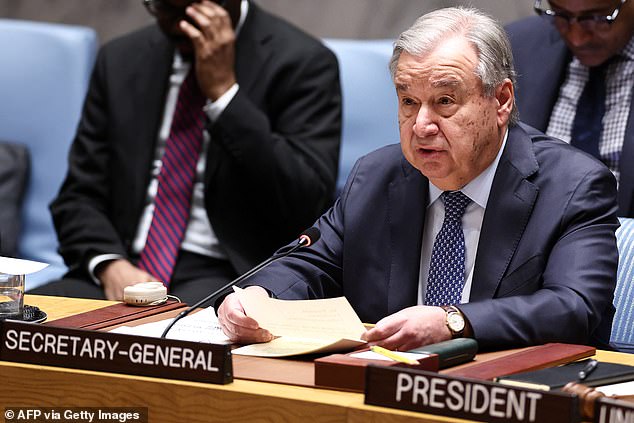
UN Secretary General António Guterres slammed Israel and the US for the strikes, as well as Iran’s counter attacks. 

‘We are witnessing a grave threat to international peace and security,’ he said. ‘Let me be clear: There is no viable alternative to the peace settlement of international disputes.’ 

Many top UN officials also condemned the attacks, including the High Commissioner of Human Rights Volker Türk, President of the General Assembly Annalena Baerbock and Director-General of the World Health Organization Tedros Ghebreyesus. 

‘The UN Charter is clear: all Member States must settle their international disputes by peaceful means in such a manner that international peace and security, and justice, are not endangered,’ Baerbock said, UN News reported. 

‘I am deeply concerned about the current situation in the Middle East. My heart is with the civilians caught in the crossfire,’ Ghebreyesus added. 

Read more