Apple’s finest or Samsung’s best-ever earbuds? Samsung’s Galaxy Buds 4 Pro take on the five-star AirPods Pro 3

Apple has gone from strength to strength with its wireless earbuds. Its recent flagship, the AirPods Pro 3, takes the performance of the five-star AirPods Pro 2 even further, indicating that the tech giant isn’t happy merely selling the most wireless earbuds – it wants to produce the best, too.

Samsung, it seems, is on a similar trajectory. The brand’s wireless earbuds have been steadily improving over the past five or so years, with Samsung looking to position itself as a major player in the audio world as well as that of smartphones, tablets and TVs.

That all makes for a really interesting comparison. What we have here are two pairs of flagship wireless buds – the Samsung Galaxy Buds 4 Pro and the Apple AirPods Pro 3 – flying the flag for their respective tech giants. Both are on serious upward trajectories, but which brand has made the greatest strides in performance? Let’s find out.

Samsung Galaxy Buds 4 Pro vs Apple AirPods Pro 3: price
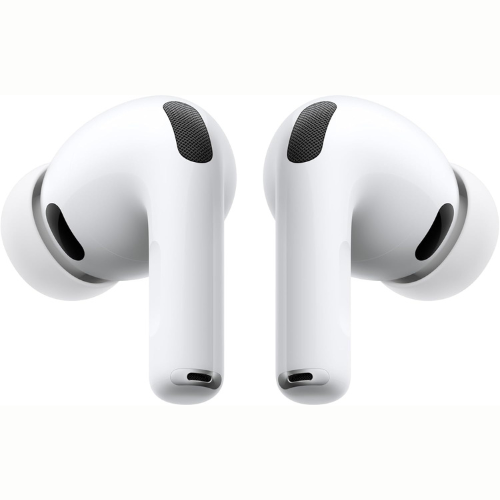
The Apple AirPods Pro 3 launched at £219 / $249 / AU$429, although given that they’ve been out for a few months, discounts will occasionally chip away at those figures. At the time of writing, for instance, you can find a pair for £204 in the UK at some retailers.

The Samsung Galaxy Buds 4 Pro are operating in very similar territory as the AirPods Pro 3. At £219 / $249 / AU$399, we’re still at a premium level, but just below the likes of the Sony WF-1000XM6 (£250 / $330 / AU$500) and the Bose QuietComfort Ultra Earbuds (2nd Gen) (currently £249 / $299 / AU$450).

Being the newer pair, discounts are less likely for Buds 4 Pro, so for now at least, Apple might be able to shade a victory.

** Winner: Apple AirPods Pro 3 **

Samsung Galaxy Buds 4 Pro vs Apple AirPods Pro 3: design and comfort
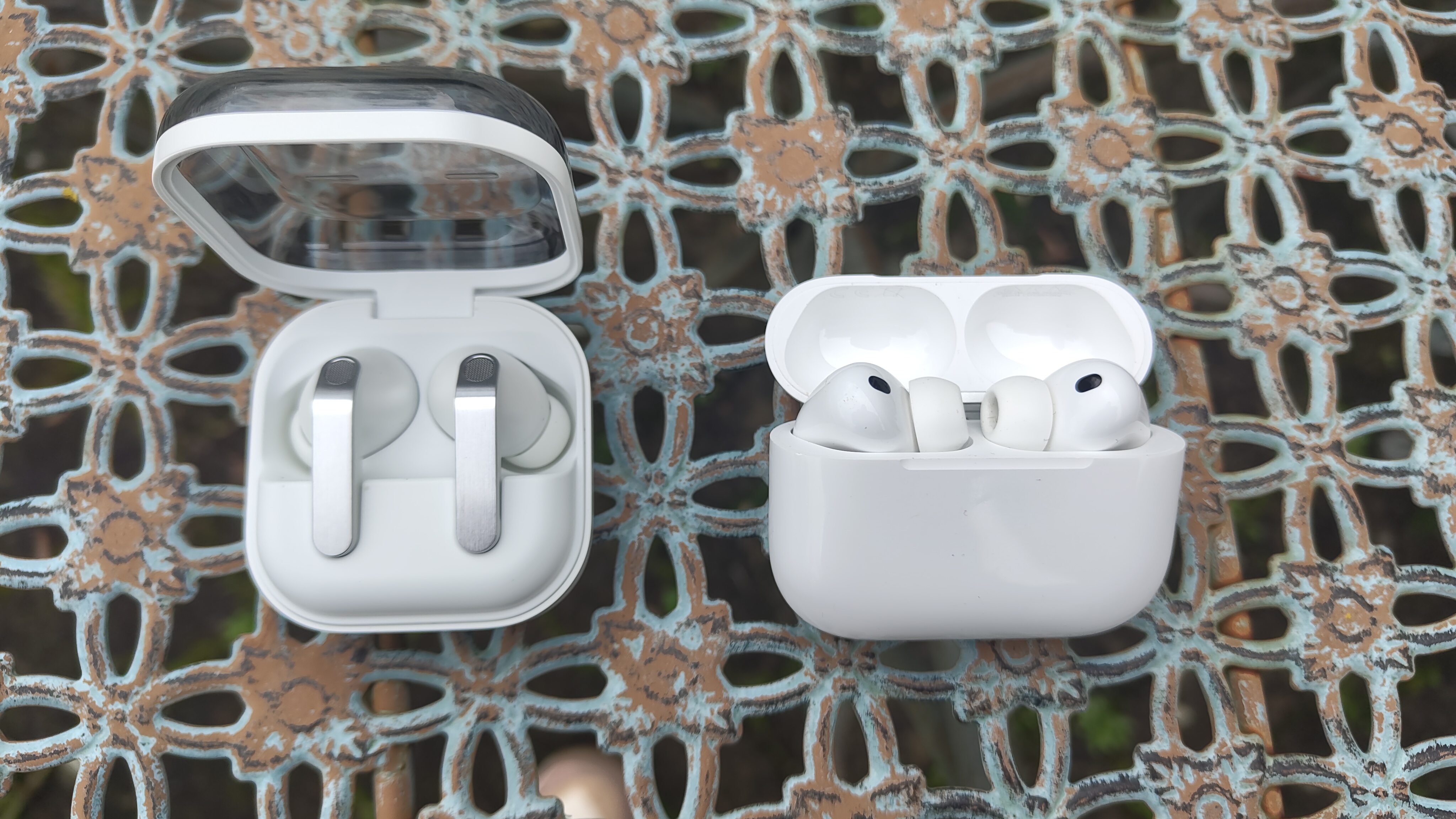
We might have mentioned that the outgoing Samsung Galaxy Buds 3 Pro looked a little like a pair of Apple imitators when we reviewed them in 2024, but that’s not a criticism we could lay at the door of the fourth-gen follow ups.

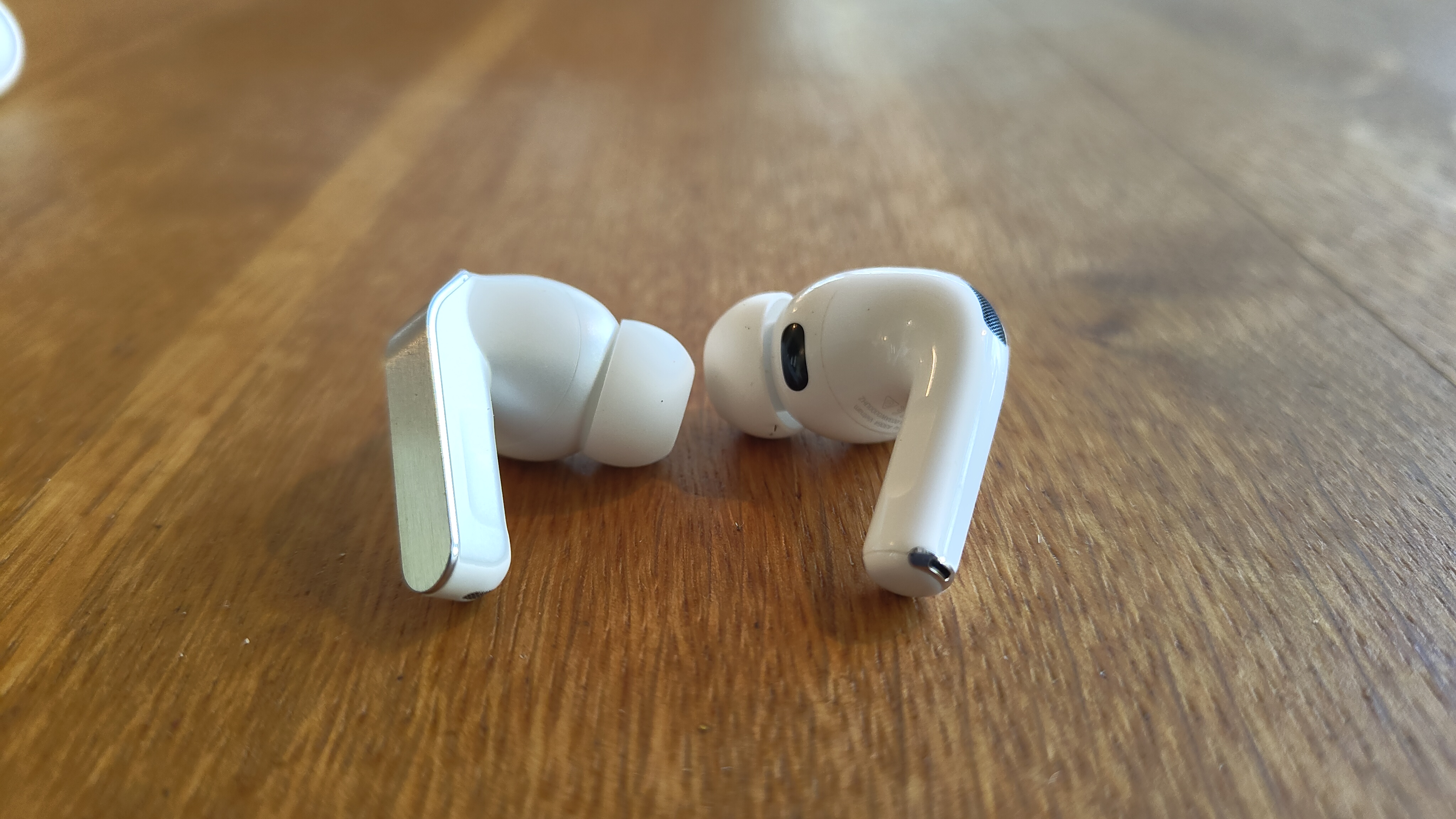
The new Buds 4 Pro look far more distinctive, and dare we say classy, than their predecessors, sporting a classic stem and bud design with a removable silicone eartip and a sleek metallic stem covering.

The Galaxy Buds 4 Pro sports a solid IP57 certification, offering protection against dust ingress and immersion in water up to a metre deep for around 30 minutes, the same rating as you’ll find from their Apple rivals.

In terms of fit, we don’t find there to be too many issues with the Samsung buds, although there are some caveats.

The removable ear-tips are angled in slightly to allow for a more secure seal, with the stems helping to add a counterweight and keep everything locked into place. While Samsung offers an ear-fit test via the companion Wearable app, we’re still left frustrated that only three choices of tips are included in small, medium and large sizes.

We’d also mention that some of our testers struggled to keep the Samsung buds firmly in place during more strenuous activities such as gym workouts or running sessions, so they may be less suited to sports and strenuous workout sessions.

The Samsung Galaxy Buds 4 Pros’ touch controls come via a predominantly pinch-and-hold system, whereby you give the stems a squeeze to control operations such as playing and pausing tracks or switching noise cancelling modes, or else swipe up or down on the exterior of the stem to increase or decrease your music’s volume.

That’s essentially the same system as you’ll find with the AirPods Pro 3. There’s not much to choose between the two pairs, here, with the AirPods’ touch controls on the stems remaining intuitive and responsive for managing tasks such as music playback, changing noise modes and controlling volume.

Away from touch controls, we’re rather keen on the AirPods Pro 3’s design. Yes, there are always subjective differences from person to person, but during our testing time, we found them to offer a secure fit which locks into position easily. Plus, you get two extra ear-tip options (XXS and XS) for a total of five, easily beating the meagre three offered by Samsung.

The buds are lightweight and easy to wear in daily use, and we feel the redesign actually is a bit more forgiving of the eartips you choose. If you can get the best fit for your ears, the AirPods Pro 3 are light, unobtrusive and easy to get along with in daily use.

It’s a reasonably close-run thing, but for their well-honed design and provision of extra eartips, we’re giving the win to Apple here.

** Winner: Apple AirPods Pro 3**

Samsung Galaxy Buds 4 Pro vs Apple AirPods Pro 3: features
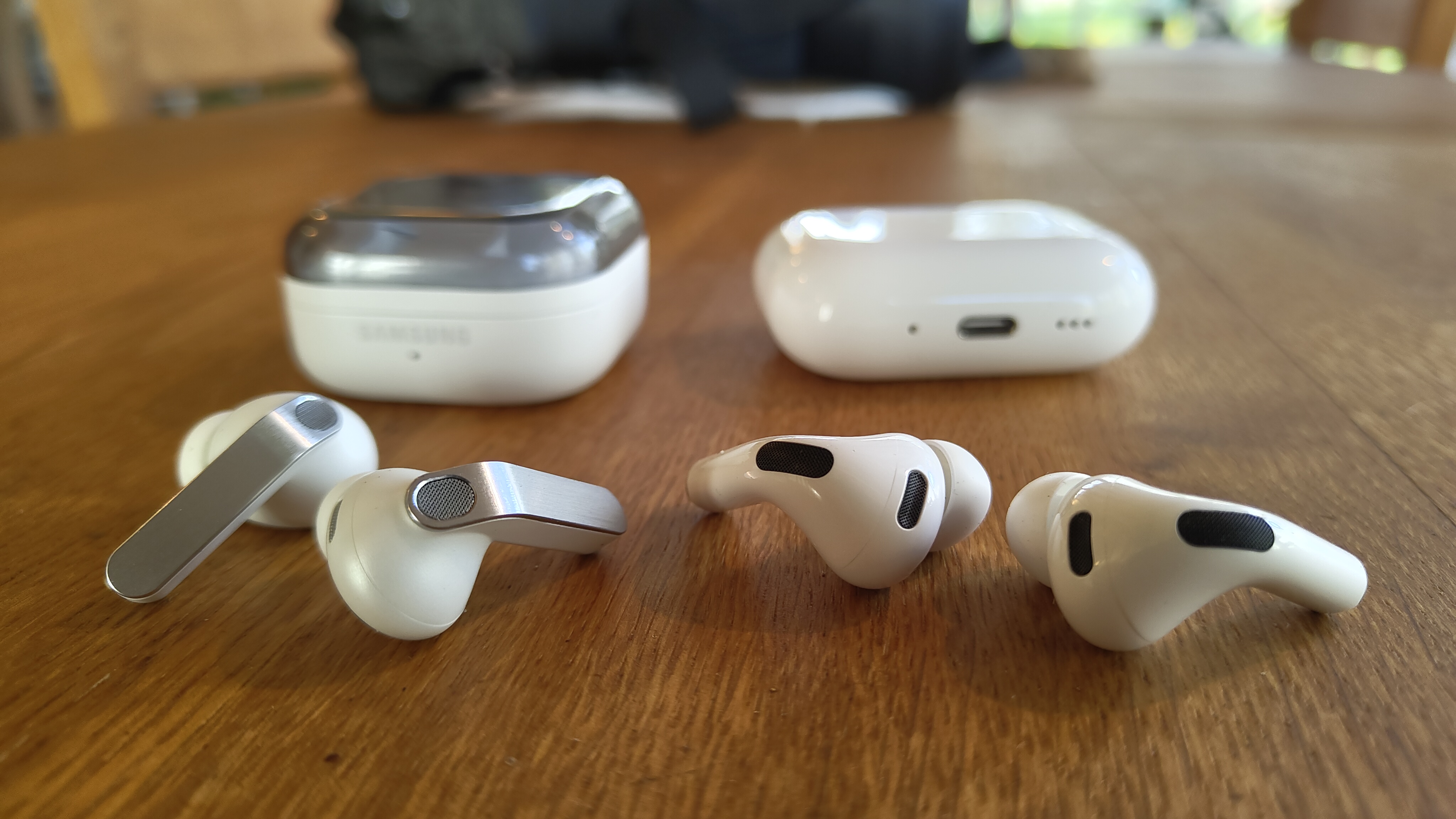
The Apple AirPods Pro 3 and Samsung Galaxy Buds 4 Pro are both premium buds (the Pro is the clue there), so in both cases you’re furnished with all of the tricks and treats that you’d expect to find from each brand’s respective wireless flagbearers.

The Samsung buds certainly aren’t light in this regard, housing a healthy array of features to complement their sonic and noise cancelling capabilities.

You’ll need Samsung’s Wearable app to get the most out of your Samsung buds, although as you’ll find with the AirPods when connected to an iPhone, the Galaxy Buds 4 Pro are integrated within your Samsung device’s native operating system to grant access to many of their features without having to delve into the app at all. As you may have guessed, Apple users get no app support at all for the Galaxy Buds 4 Pro.

For AirPods users, there’s no standalone app for iOS or Android users, as is par for the course, with all settings integrated into your device’s iOS operating system menus instead.

Both sets provide support for spatial audio in some form or another. The Samsung’s offer ‘360 spatial audio’ with head tracking, both of which require a Samsung device in order to work and can be toggled on or off via the accompanying app.

As we said in our review: “The tech works admirably, and unquestionably provides a more spacious and open experience than when listening in standard mode. Head tracking is also effective, even if it does suffer from the usual gripe of having a very slight delay whenever the sound moves from one earbud to the other.”
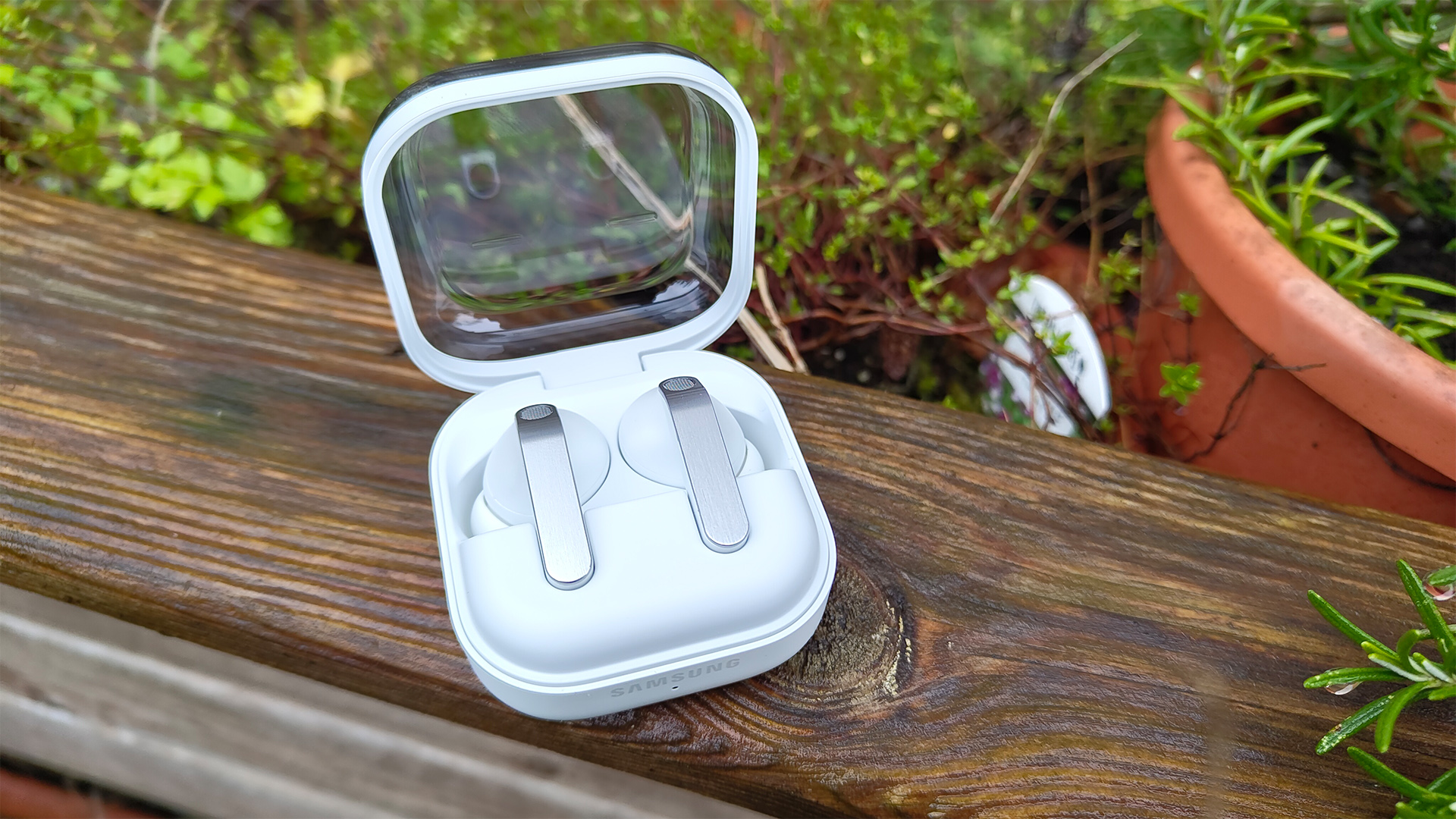
The AirPods Pro 3 integrate spatial audio with dynamic headtracking with similarly capable results, working slickly and smoothly when paired with an iOS device. You won’t be surprised to learn that if you want the best spatial experience, you’ll want to have access to Apple Music and its catalogue of spatial audio tracks.

What about battery life? Samsung’s wireless flagbearers provide seven hours of charge time from the buds and a total of 30 with the case when ANC is turned off. Switch noise cancelling on, and those numbers drop to around six hours from the buds and a total of 26 hours with the case.

By comparison, the AirPods Pro 3 will manage eight hours in a single charge from the buds with ANC switched on, stretching to a total of 24 hours of overall battery life with the charging case in play. That’s slightly better in-bud battery for the AirPods, but a total of 24 hours does seem a little light in comparison.

The Galaxy Buds 4 Pros’ key feature is the use of Samsung’s proprietary SSC UHQ hi-res codec, which grants transmission of up to 24-bit/96kHz file quality via Bluetooth with compatible Samsung Galaxy devices.

Conversely, there’s still no higher-quality codec support from the likes of aptX or LDAC for the AirPods Pro 3, so you’ll have to settle for the standard AAC and SBC Bluetooth codecs – the general line we tend hear from Apple is that its AirPods simply don’t require hi-res codec support to sound their best. No iPhone, iPad or MacBook support any other codecs either, so this is likely of no issue to iOS users.

Apple does have its own tricks up its sleeve, though. The AirPods Pro 3 come fitted with a new heart rate sensor to track health and workout stats, and they have hearing tests and hearing health-related features, too.

Live translation features are available on both models, but note you’ll need to be on specific (usually the latest) software and compatible devices to make the feature work.

Strong showings from both sides, then, with Samsung’s hi-res codec support countered by Apple’s impressive health-based features. Both have features that work solely with its own devices in their own ecosystems. A draw seems like a fair result.

** Winner: Draw **

Samsung Galaxy Buds 4 Pro vs Apple AirPods Pro 3: noise cancelling and voice calls
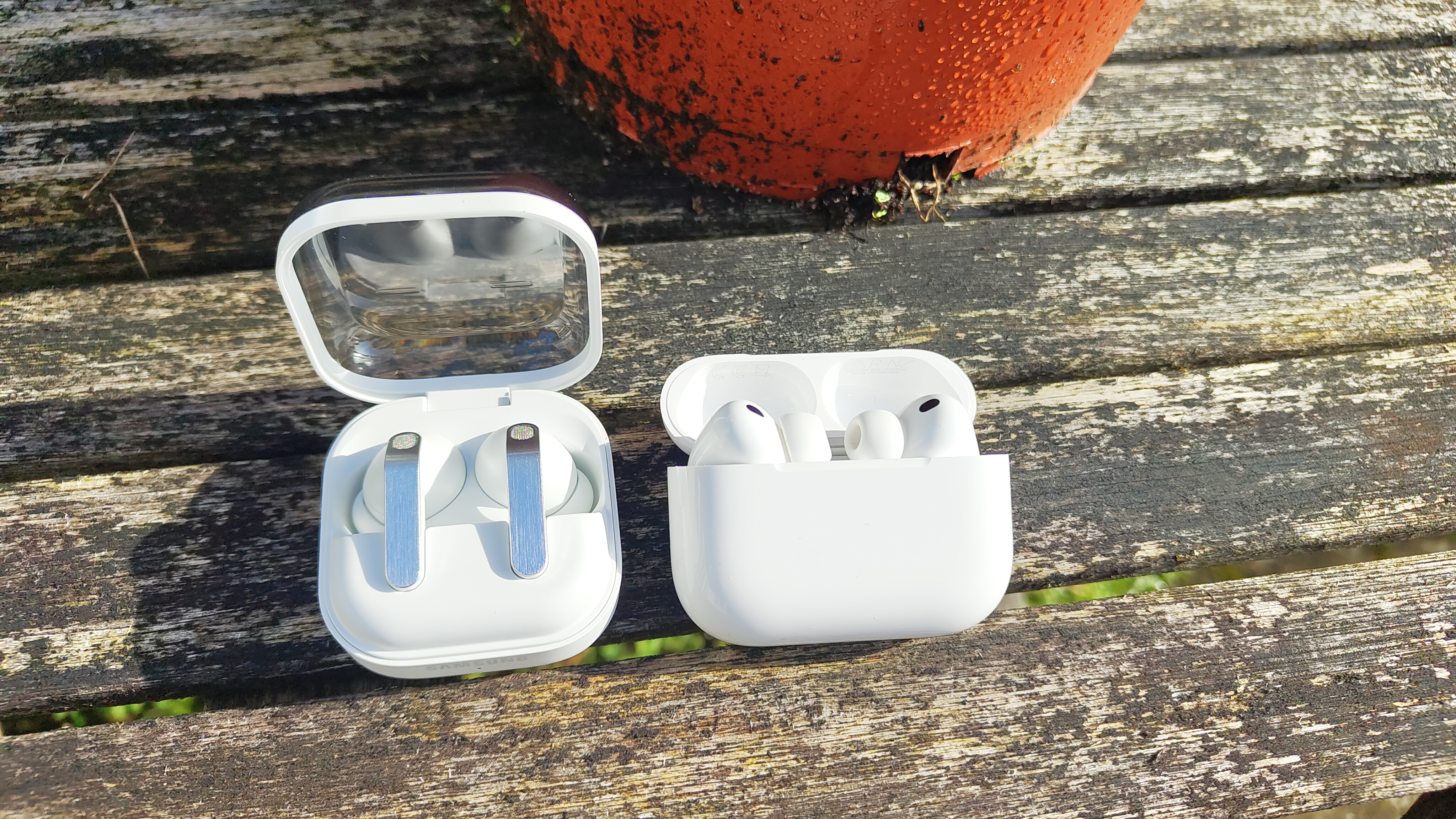
With the Galaxy Buds 4 Pro, calls are delivered clearly thanks to the buds’ trio of microphones and a voice pick-up unit, while background intrusions are capably softened to stop them from interrupting your conversations.

Noise-cancelling is well implemented on the Samsung buds, capable of subduing busy traffic sounds and the general hubbub of the office so we can concentrate mostly on the music.

Samsung’s Adaptive sound feature, which automatically switches to ambient mode when it detects human speech, works well during testing, too. We’re impressed by how effectively the setting clicks into gear whenever we engage in a conversation to test whether our buds are paying attention.

The similar “Conversation Mode” feature on AirPods Pro 3 also intelligently detects when you’re speaking, which lowers the volume of the music so you can have a quick conversation.

Samsung’s buds won’t let you down then, but they’re not quite good enough to overcome the best that Apple has to offer. Call quality is clear, detailed and sounds natural on the AirPods Pro 3, with no harshness or any of that over-processed quality to our voices that we often experience with many lesser earbuds.

Where the Apple buds really distinguish themselves is through their excellent ANC. We take our AirPods Pro 3 and Samsung Galaxy Buds 4 Pro to the gym to test their noise cancelling talents, and while the latter take the edge off the various intrusions we experience – background music, general chatter, the whir of an exercise bike – the AirPods Pro 3 simply suppress the general clamour more powerfully and more effectively.

They’re also much better at dealing with sharp, loud noises than their Samsung rivals. The clank of weights dropping can threaten to intrude in on your best workout playlist, but with the Pro 3, those spikes of sound are impressively diminished to the point that we barely notice them when they occur.

Apple’s noise cancelling capabilities really are mightily impressive, and earn them the win here.

** Winner: Apple AirPods Pro 3**

Samsung Galaxy Buds 4 Pro vs Apple AirPods Pro 3: sound quality
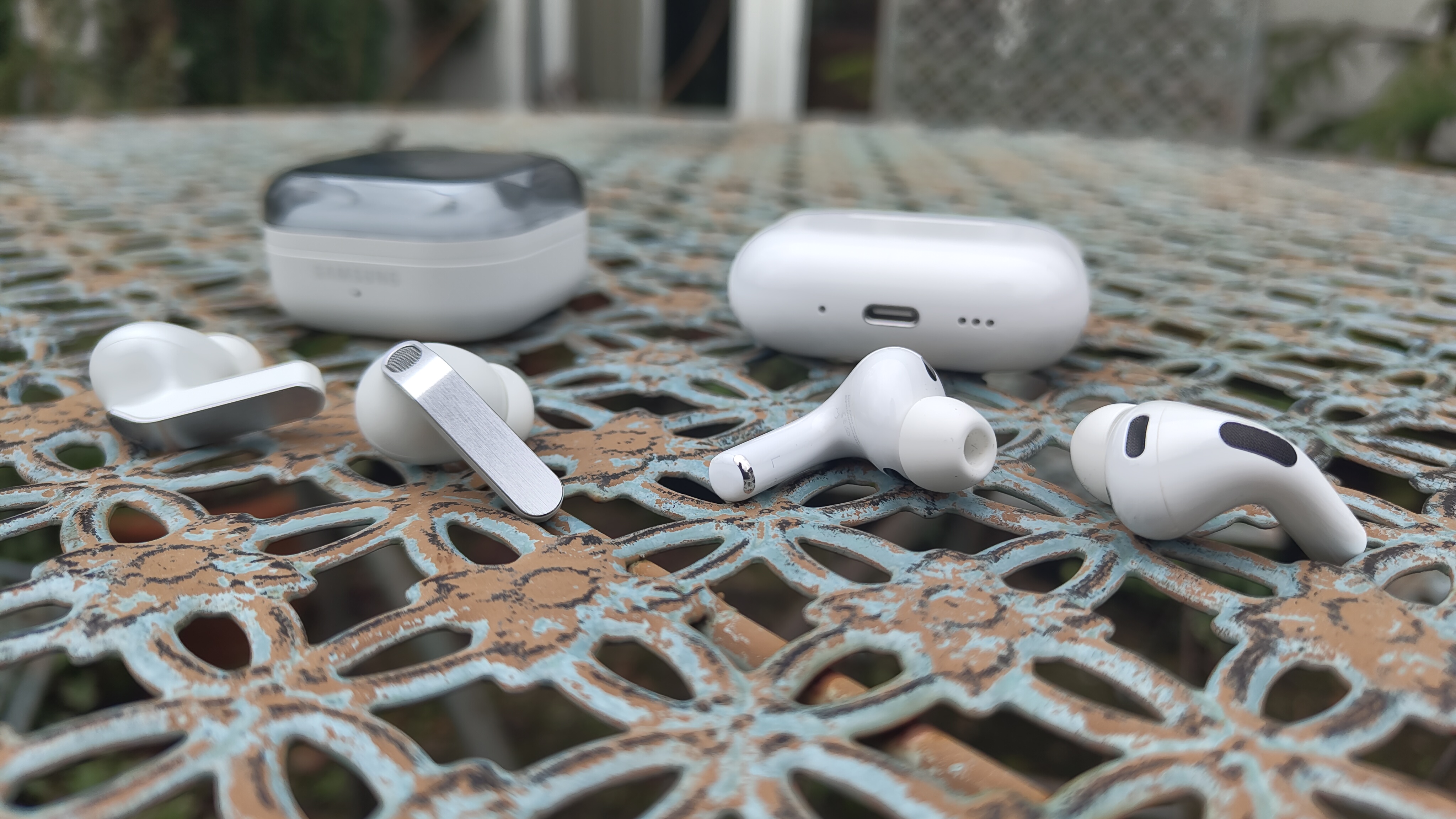
We’re convinced that the Galaxy Buds 4 Pro are the best wireless earbuds Samsung has made. They sound resplendently clear, clean, well-organised and peppy, offering an enthusiastic, precise and lively tone that is rarely a chore to listen to.

That tone feels similar in general flavour to their third-gen predecessors, but this is still a clear sonic step up from that which came before. As we said in our review, the Buds 4 Pros’ “outstanding levels of textural insight and clarity make a recording of Mozart’s Rondo Alla Turca sound appropriately regal, before bringing out the lean, retro feeling of Elvis Costello’s Veronica with aplomb”.

Listening to genres and tracks that really play to their strengths, the Samsung buds deliver a lovely balance between analysis and pure fun. We find that rock, hip-hop and dance numbers tend to fare particularly well, as evidenced by a powerful rendition of Slipknot’s pulsating Before I Forget and a sparky reproduction of Justice’s Phantom Pt. II.

If you want to get the best out of your Galaxy buds, it’s definitely worth getting hold of an up-to-date Samsung device to take advantage of that fancy hi-res SSC UHQ codec.

We use a Samsung S25 smartphone to test out how the earbuds sound with hi-res SSC UHQ codec, and there’s no question that the Buds 4 Pro move to the next level sonically when using this higher-quality codec. They retain their general flavour, but overall clarity and detail levels increase considerably when compared to playing via an iPhone or the standard Bluetooth codec on a Sony Xperia 1 VI smartphone.
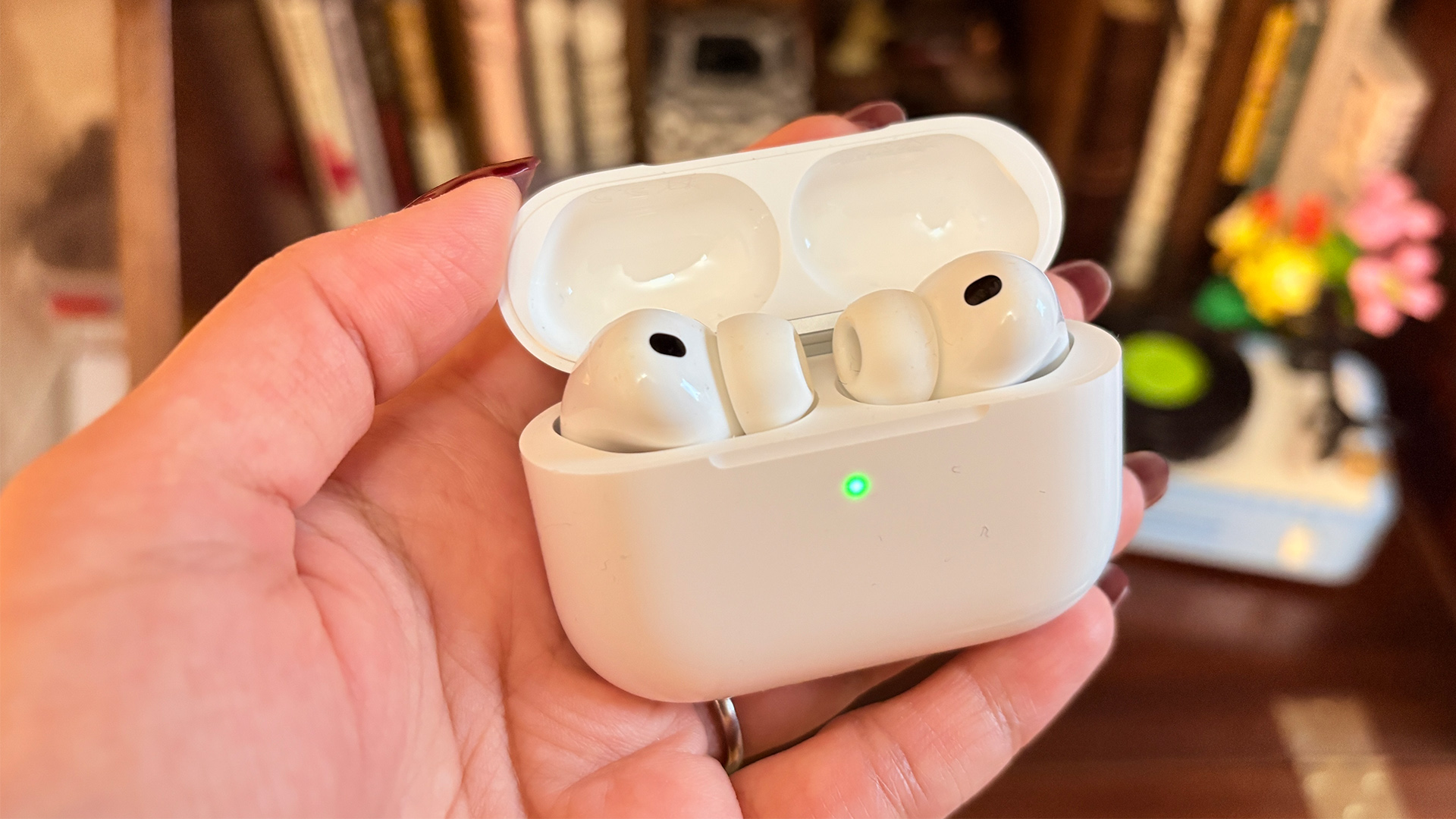
How do the AirPods Pro 3 sound by comparison? This isn’t the walkover for Apple that some might have been expecting, and if anything, we find that their Samsung rivals arguably offer greater clarity and textural detail than their rivals can muster. That’s no mean feat, especially as we described the third-gen AirPods Pro as being clearer and more detailed than their antecedents.

Still, the AirPods are superbly clear, balanced and spacious-sounding, with a keen ear for midrange vocal authenticity. They’re immensely easy to get along with, giving music ample room to breathe and allowing musical textures and vocal strands plenty of space to flourish.

Where Apple’s flagships really excel, however, is in their superior feeling of musical engagement. As we said in our review: “Dynamically, they do a wonderful job of conveying the ebbs and flow of a track, and are adept at slowing things down where needed, as well as keeping more energetic compositions in check – all without losing any of the verve or emotional intent of a track.”

They’re also seriously impressive in how they dispatch rhythms, offering a snappy, propulsive sense of timing that keeps our attention from the outset. The Galaxy Buds 4 Pro aren’t poor in this regard, but they don’t quite have that innate rhythmic understanding, especially with more nuanced fare, as their Apple rivals.

This is a close affair, and certainly an impressive effort from Samsung’s pristine, detailed flagships. We find that the AirPods Pro 3’s more dynamic and rhythmically engaging sound takes the cake here, as it just makes us feel more involved and invested in the music we play.

Samsung is closing the gap, but there’s still some daylight between their latest flagships and their Apple rivals.

** Winner: Apple AirPods Pro 3**

Samsung Galaxy Buds 4 Pro vs Apple AirPods Pro 3: verdict
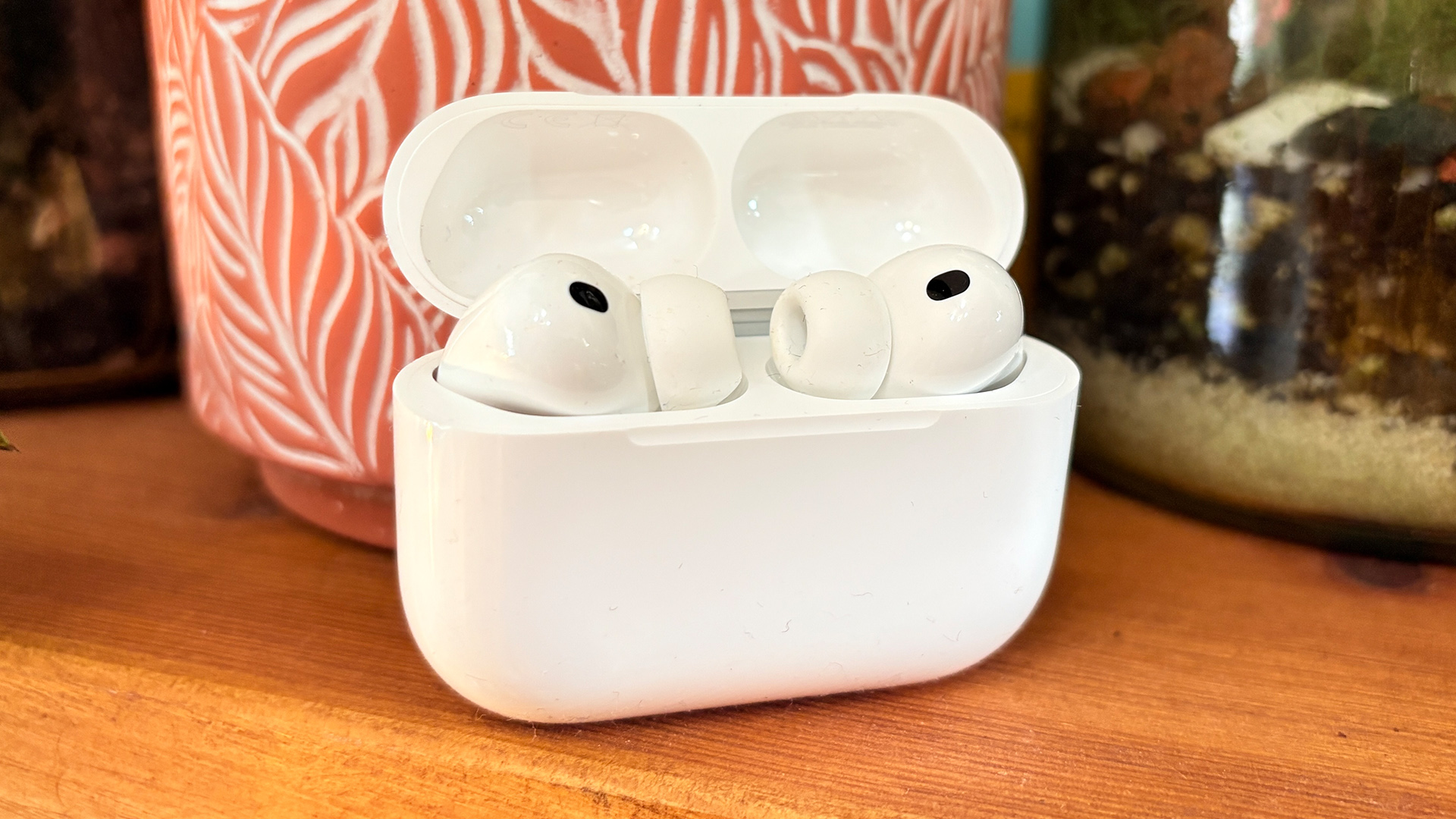
The Samsung Galaxy Buds 4 Pro are the best wireless earbuds the company has made thus far. They’re packed with features and sound better than their predecessors, demonstrating a clear indication that Samsung has what it takes to close the gap on the market’s biggest names.

That said, it isn’t quite enough to beat the best that Apple has to offer. The Pro 3 are the finest performing AirPods yet, and while it’s a close run thing, their impressive ANC talents and more engaging, dynamic sound quality sees them pip their Samsung rivals to the post.

Each pair is designed for a different audience – AirPods for iOS users, Galaxy buds for Samsung users – but all other things being equal, we’d still take the AirPods Pro 3 over their plucky rivals.

** Overall winner: Apple AirPods Pro 3 **

MORE:

Sony WF-1000XM6 vs Samsung Galaxy Buds 4 Pro: are Sony still number one?

See our pick of the best wireless earbuds for all budgets

The ultimate music tracks to test your hi-fi system

Like this article? For more stories like this, follow us on MSN by clicking the +Follow button at the top of this page.

Upcoming phones 2026: release dates and rumors for your next smartphone upgrade

2026 is set to be a banner year for exciting and innovative new smartphones. From flagship powerhouses like the next-gen iPhone to fresh foldables, clamshells, cameraphones and affordable models, there will soon be something shiny out there to tempt you into upgrading your ageing handset.

Below we’ve listed the most anticipated upcoming phones due over the next twelve months, from whispered rumours to confirmed reveals. Whether you’re excited for the latest Samsung Galaxy or want to know which Chinese brand will have the biggest battery this year, there’s guaranteed to be something here for you. Hardware specs, camera capabilities and software smarts are all covered, while the summary of every major smartphone announcement from recent months (with links to our review of the biggest hitters) further down the page adds some much-needed context.

Only care about phones you can buy right now? Read our guide to the best smartphones on sale today.

Why you can trust Stuff: Our team of experts rigorously test each product and provide honest, unbiased reviews to help you make informed decisions. For more details, read how we test and rate products.

Quick list: what are the most exciting upcoming phones?

Oppo Find N6

Book-style foldable promises to go big on camera hardware for 2026, while minimising the inner display’s crease more effectively than any rival

Honor Robot Phone

Flagship phone meets gimbal-stabilised action camera, with a double dose of AI thrown in for good measure.

Oppo Find X9 Ultra

The photography flagship will officially be sold in Europe this generation, bringing the fight to Xiaomi with high-end sensors and Hasselblad colour science

Motorola Razr 70 Ultra

Expect more power, a bigger battery and higher quality cameras from Moto’s next flip phone, which will take on Samsung’s next Z Flip later in 2026

Samsung Galaxy Z Fold8

Don’t expect a major design shift (that happened last year) but Samsung’s next book-style foldable will surely still be the one to beat for Western buyers

Samsung Galaxy Z Flip8

Samsung’s more mainstream foldable will keep the clamshell design and (hopefully) improve its battery life to keep pace with rivals

Vivo X300 Ultra

Another photography-first flagship with a point to prove. It’s getting a ‘global’ launch later this year, and bringing an OTT videography kit along for the ride

Google Pixel 11 series

The (deep breath) Pixel 11, Pixel 11 Pro, Pixel 11 Pro XL and Pixel 11 Pro Fold will debut new Tensor chips and probably focus even more on Gemini AI smarts

Apple iPhone 18 series

Expect the iPhone 18, iPhone 18 Plus, iPhone 18 Pro and iPhone 18 Pro Max to appear in September, with Apple’s usual slew of small yet refined generational updates

Apple iPhone Fold

Long rumoured, but 2026 could finally be the year Apple enters the foldable arena for the first time

All the best upcoming phones we’re expecting soon

Oppo Find N6

It’s unclear at this point whether Oppo will bring its next book-style foldable to Western audiences. The Find N5 never officially made it out of China, but with OnePlus deciding not to create an Open 2, there could be a market for a big battery, photography-focused device.

The new phone will surely be super-skinny – the Find N5 was the world’s thinnest for a time before Samsung and Honor spoiled the party – and Oppo’s ongoing partnership with Hasselblad could mean it packs some seriously capable cameras. The latest Snapdragon CPU will surely make an appearance – possibly with one core disabled to manage thermals, as was the case with the last-gen phone. A silicon-carbon battery seems definite too.

Honor Robot Phone

One part gimbal-stabilised action camera, one part face-tracking AI assistant, Honor’s concept phone-made-real got a second outing at Mobile World Congress. The currently unnamed Robot phone promises big things on the photography front, with a pop-out 200MP lens module that unfolds electronically from the handset. Automated 90- and 180-degree spinshots and the most advanced video image stabilisation of any smartphone are promised, as is are recording modes approved by cinema camera expert Arri. It could be one of the more unique phones released in 2026.

Oppo Find X9 Ultra

Hasselblad-approved colour science and some of the best camera hardware you’ll find on any phone? Sign me up. Oppo’s next Ultra-badged phone is gunning for the outright photography crown, but should also pack in a massive battery and Snapdragon 8 Elite Gen 5 power. The Find X8 Ultra (pictured above) was easily one of my favourite cameraphones of 2025, despite it being a challenge to get hold of here in the West. Its successor has been confirmed to get a European release, which is great news – and means rival Xiaomi won’t have things all its own way with the Xiaomi 17 Ultra anymore.

Motorola Razr 70 Ultra

Motorola should introduce the Razr 70 Ultra by mid-2026 alongside the regular Razr 70, bringing both a mid-tier and a flagship to show Samsung what’s what. Pantone-approved colours are a certainty at this point – the two firms have a multi-year deal in place – and the outer screen will surely fill the entire front face of the phone again. Expect a surprisingly high capacity battery – Motorola is one of the few brands with a big Western presence using silicon-carbon chemistry.

Samsung Galaxy Z Fold 8 / Z Flip 8

With all the attention still very much on the Galaxy S26 series, little is known for sure about Samsung’s next book-style and clamshell foldables. They’re almost certainly on the way, though, and could debut in July or August 2026. A slightly later reveal would track with the S26’s February debut.

The Z Fold 7 was comfortably Samsung’s best foldable phone effort yet, going super slim but keeping plenty of power and an impressive set of cameras. The hope is that the firm will boost battery life and step up on photography even further for 2026, though that may be wishful thinking while it remains coy on silicon-carbon technology.

Vivo X300 Ultra

Vivo doesn’t have much of a presence in Europe (and none at all in the US) but it has earned praise in China for its impeccable camera quality. A bolt-on lens extender certainly helps. The upcoming X300 Ultra will go even further with a videography kit, built in collaboration with Smallrig, to appeal to professional filmmakers. Even better, it’ll be getting a ‘global’ release. That could mean Singapore and Malaysia, but determined shoppers will finally be able to import one in the knowledge the software will play nicely with the Google Play Store.

Google Pixel 11 series

Google’s mainline Pixel models tend to land in August, well ahead of Apple’s usual September time slot. That’s expected to stay the same in 2026, with the Pixel 11 series. A regular Pixel 11, two flavours of Pixel 11 Pro, and a Pixel 11 Pro Fold are all expected.

A new generation of Tensor silicon seems very likely, as does the latest version of Android, but everything else about the phones is unknown right now. Bigger batteries and new camera hardware would be high on my personal wish list: while Google does great things with image processing algorithms, its sensors are beginning to be left behind by rivals, and silicon-carbon chemistry has redefined what we’ve come to expect from smartphone battery life.

Apple iPhone 18 series

It’s a given September 2026 will see new iPhones introduced. The iPhone 17 Pro and Pro Max are surely going to look very similar to the current generation, seeing as Apple tends to stick with its designs for several years and the iPhone 17 generation only just debuted the full-width camera ‘plateau’.

Nothing will be made official until launch day, as is Apple tradition, but current rumours suggest the firm is working on under-display Face ID tech to do away with the Dynamic Island cutout. There’s a chance this’ll get bumped to 2027, though. The other mystery is whether there’ll be an iPhone Air 2 – sales have reportedly fallen short of the firm’s expectations, so it could decide to take a break from thin phones instead.

Apple iPhone Fold

It’s basically public knowledge Apple is developing a foldable phone. Rumours have been doing the rounds for years at this point, and flexible screen suppliers have seemingly been confirmed. But there are still more questions than answers, including what style of foldable it could be. Early concepts (like the one above) imagined a clamshell-style phone, but the most likely scenario is we get a book-style iPhone Fold in 2026 – or later, depending on whether Apple can reduce the screen crease to a level its design team is happy with.

Phones revealed but not yet on sale in the US/Europe

Honor Magic V6

Honor’s next book-style foldable arrived sooner than expected. While the Magic V5 launched in July 2025 for China and then made its way to Europe in August, its successor got a global reveal in March 2026, at the Mobile World Congress show. The Magic V6 went on sale in China almost straight after, but has a few more months to wait until the rest of the world gets an opportunity to buy one.

It’s another gloriously slim device that still finds room inside for a Snapdragon 8 Elite Gen 5 chipset, a massive 6600mAh battery made possible by silicon-carbon chemistry, and an uprated rear camera trio which could see it rival Samsung for class honours. Expect it to slightly undercut the Galaxy Z Fold 7 on price, too.

Motorola Razr Fold

No, we’re not talking about another Razr clamshell here. Motorola revealed its first book-style foldable phone at CES in January, then revealed the full technical details at Mobile World Congress. We now know it’ll have a 6.6in outer screen that unfurls to reveal an 8.1in inner display, along with a trio of 50MP rear cameras, and performance courtesy of a Snapdragon 8 Gen 5 chipset – not the Elite.

Price-wise it still comes in on par with Samsung’s Galaxy Z Fold7, but has that phone beat with a sizeable 6000mAh battery. It’s going up for pre-order in the UK and Europe on April 13, with prices set at £1759/€1999.

Google Pixel 10a

The next affordable Pixel was announced on the 18th of February 2026, but has yet to go on general sale. Google A fully flat rear camera module and bright blue colour scheme set it apart from the outgoing Pixel 9a, and it will land running Android 16. A new modem capable of satellite SOS also makes the cut.

Other hardware is largely unchanged from last year, though, meaning a 6.3in AMOLED screen, 48MP and 13MP rear camera duo, 13MP selfie camera, and 5100mAh battery. It reuses the Pixel 9a’s Tensor G4 silicon, sticks with 8GB of RAM and starts with 128GB of storage.

Samsung Galaxy TriFold

The Huawei Mate XT might’ve been the first ‘tri-fold’ phone out the gate (so-called because it has three separate sections, rather than three folds in its display), but Samsung wasn’t far behind. The Galaxy TriFold was officially revealed in December 2025, and went on sale in Korea not long after – for a whopping 3,594,000 Won, or roughly $2450. It then headed to China, Taiwan, Singapore, the USA and UAE in early 2026, but it doesn’t seem like the firm plans to launch it anywhere else. Production volumes were reportedly very low, and it has sold out practically everywhere.

When folded, the Galaxy TriFold looks and feels like a Z Fold 7 that’s a third thicker. The 6.5in outer screen then unfurls to reveal a 10in tablet. Unlike Huawei, Samsung doesn’t incorporate the inner screen into the hinge, so it’s fully protected when in phone mode. It’s just 3.9mm at its thinnest point, weighs 309g, and has an IP48 resistance rating.

Hardware-wise it shares plenty with the Z Fold 7, including a Snapdragon 8 Elite chipset (not the newer Elite Gen 5), 200MP main snapper, 12MP ultrawide, and 10MP telephoto good for 3x optical zoom. The battery tops out at 5600mAh, which is pretty big for a Samsung handset – though still rather modest among the wider phone world.

Latest smartphone releases

Xiaomi 17 Ultra

With a 1in lead camera backed up by a 200MP telephoto and choice of two Photography Kit accessories, Xiaomi’s latest Ultra-badged flagship is a photography powerhouse that’s comfortably in the running for my cameraphone of the year nomination. There’s also a Leica-badged version called the Leitzphone, complete with rotating camera ring that can control things like aperture and zoom.

Xiaomi 17

Leica-grade optics and a big battery set the Xiaomi 17 apart from compact rivals from Samsung, Google and Apple. It’s a performance beast courtesy of a Snapdragon 8 Elite Gen 5 chipset, has a gorgeous display, and can manage two days between charges. It’s my first pick for a small yet mighty smartphone.

Samsung Galaxy S26 Ultra

A shoulder snooper’s worst nightmare. The Galaxy S26 Ultra marks the debut of Samsung’s Privacy Display, a hardware toggle that can cut viewing angles and keep your secrets hidden from view. It also brings faster wired charging speeds, a Snapdragon 8 Elite Gen 5 For Galaxy chipset with oodles of power, and a refined set of rear cameras. It’ll surely become one of 2026’s best-selling Android flagships, though I’m disappointed that battery capacity remains unchanged.

Samsung Galaxy S26 and S26+

This pair of all-rounder Androids aren’t the most exciting of annual updates, with a new home-grown Exynos 2600 chipset being the biggest new addition. The smaller handset does get a bigger battery, but one that still pales in comparison to the silicon-carbon competition. Samsung’s brand appeal will surely see them in good stead against rivals with higher-end hardware, though I’d rather put my money elsewhere.

Honor Magic8 Pro

Honor’s latest flagship is more an evolution of its predecessor than a ground-up rewrite, with similar styling and a largely unchanged trio of rear snappers led by a 200MP periscope zoom. Power now comes from a Snapdragon 8 Elite Gen 5 chipset, and battery capacity has taken a welcome step up – though the global variant doesn’t get quite as much of a boost as the Chinese model. A four figure RRP at launch and some image processing inconsistencies make it a heart over head purchase, though regular discounts make it easier for me to recommend.

OnePlus 15

The 2026 Android benchmark has been set. Not only does the OnePlus 15 have Qualcomm’s latest Snapdragon 8 Elite Gen 5 silicon providing more than most people will know what to do with, it’s also packing a giant battery that makes it a true two-day phone. A gorgeous screen, unique Sand Storm finish and streamlined looks make it stand out, while the rear lens trio comfortably keeps pace with the competition. It’s a fantastic all-rounder at a very reasonable price, and my first choice for anyone looking for a new phone right now.

Oppo Find X9 Pro

Don’t dismiss the Find X9 Pro as ‘just’ a OnePlus 15 but with more of an emphasis on photography. Oppo’s alternative has an even bigger battery and its MediaTek Dimensity 9500 chipset is more efficient, making it an absolute battery champion. Its 200MP zoom lens is among the best around, and that’s before you bolt the optional Hasselblad lens extender accessory on for 10x optical magnification. If you care strongly about good phone photography it would be my top choice.

Apple iPhone Air

The thinness war has truly escalated now. Apple’s ultra-slim iPhone Air (note no ’17’ in the title there) is just 5.6mm at its narrowest point, yet is also unbelievably strong, with a Ceramic Shield on the rear that can shrug off scratches. Power comes from the same A19 Pro chip as this year’s Pro iPhones, and battery life is slated to last all day. Screen size is an in-betweener 6.5in, and it only comes with a single 48MP rear camera that on paper sounds very similar to the one found on the more affordable iPhone 16e. I’m sure it will find fans, but it’s not for everyone.

Apple iPhone 17

The iPhone 17 may be similar to the iPhone 16, but it’s larger. The display is up to 6.3 inches, matching this year’s Pro, and there’s no bigger Plus version anymore. Apple’s ProMotion has finally trickled down from the Pro models, so you’re getting 120Hz refresh rates for smoother scrolling and video playback. The Always-On Display also belatedly makes its way to the base-level model. An Apple A19 chipset, 256GB base storage, twin 48MP rear snappers and an all-day battery make it all the iPhone most people could need. If you’re an Apple fan, this would be my first choice phone.

Apple iPhone 17 Pro and 17 Pro Max

That huge camera bar across the back of the iPhone 17 Pro and Pro Max? Apple calls it a ‘plateau’. Subtle it is not, but it does contain some serious camera upgrades. You now get three 48MP snappers, with the Tetraprism Telephoto lens providing 4x optical zoom and 8x magnification that’s essentially lossless. The frame is aluminum now, rather than titanium, and Cosmic Orange might be the bolded Pro iPhone colour ever. Tougher Ceramic Shield 2 glass also comes to the front display (6.3in and 6.9in OLED panels with ProMotion high refresh rates), and an A19 Pro chipset provides the performance muscle. The phone I’d point photography-focused Apple fans toward.

Honor Magic V5

With a top-tier Snapdragon chip, high capacity 5820mAh battery, and three of the most capable cameras ever fitted to a book-style foldable, the Magic V5 was off to a great start when it debuted in China back in July. There was a much smaller gap to the global rollout versus previous years – no surprise given Samsung’s shock skinny Galaxy Z Fold 7. Officially Honor reclaims the title of ‘world’s thinnest’, and it’s cheaper to boot. I’d definitely suggest trying it out if you want maximum staying power.

Google Pixel 10, Pixel 10 Pro and Pixel 10 Pro XL

Google scored a big win for Android fans everywhere with the Pixel 10 series – it’s the first to finally bring Qi2 magnetic wireless charging to the mainstream. The vanilla Pixel 10 is arguably my pick of the bunch this year, adding a dedicated telephoto lens to an already capable rear camera duo, while all three phones get new Tensor G5 silicon. The XL remains my favourite for anyone that demands maximum battery life, and you get Android 16 across the board, complete with new Gemini smarts.

Samsung Galaxy Z Fold 7

After years of iterative updates, the latest Galaxy Fold is an absolute revelation. Samsung’s – and arguably the world’s – slimmest book-style foldable gets a wider, more usable cover screen and an expansive inner display, backed by a fantastic 200MP main camera that takes wonderfully detailed snaps. Battery life is decent rather than class-leading, but wide global availability and the firm’s familiar, comprehensive software suite makes it the new foldable of choice for the majority – me included.

Samsung Galaxy Z Flip 7

The clamshell part of Samsung’s foldable duo didn’t get quite as radical a transformation this year, but a full-screen cover display and some seriously skinny bezels have helped bring it up to par with rivals on the design front. Performance is merely OK for the cash, courtesy of a home-grown Exynos chipset, and battery life is bang average too. Still, it takes a nice snap and now has DeX on board for a welcome productivity boost. Flip phones aren’t for everyone, but I can easily point fans of the form factor this way.

Nothing Phone 3

Transparent tech might still be top of the British brand’s agenda, but Nothing has retired Glyph lighting in favour of a Glyph matrix for its highest-end phone to date. Phone 3’s funky rear LED ring can flash to alert you of incoming calls and notifications, show useful info like battery life, and even play fun little micro-games. But it also draws attention to a divisive rear camera layout that not everyone will be on board with. Underneath a step-down Snapdragon chip will have others arguing over what ‘flagship’ means, and the $799/£799/€799 asking price puts it up against some big-name rivals. A good job the software and image quality impress, then. I love NothingOS – the widgets alone are enough to earn it my recommendation.

Samsung Galaxy S25 Edge

The new wave of ‘thin’ phones is surely on the way, now that Samsung has unleashed its debut effort. The S25 Edge is a svelte 5.8mm thick and weighs just 163g – impressive figures given it has a huge 6.7in screen, and a powerful snapdragon 8 Elite chipset underneath. Samsung had to compromise somewhere, so you get two rear cameras instead of three – but the lead is a 200MP unit capable of clean and colourful snaps. The battery is the biggest weak point, struggling to last all day on a single charge. But if you value slimness, I’m sure you’ll appreciate what’s on offer here.

Google Pixel 9a

The new gold standard for sub-$500/£500 Android phones, the Pixel 9a is everything we’ve come to expect from Google’s more affordable handset. The sleek redesign makes it look like a pricier phone (even if the bulbous camera bump means you won’t mistake it for a Pixel 9 Pro) and the cameras themselves are top performers for the money. Add on Gemini smarts and a long-lasting battery and you’ve got to try very hard to get more phone for less money.

Nothing Phone 3a and Phone 3a Pro

Nothing kicked off its third phone generation with the ultra-affordable Phone 3a and its Pro bigger brother. The regular model is an evolution on last year’s 2a, with one more rear camera, a return to Snapdragon power and a new Essential Space that uses AI to organise your screenshots and voice notes. Very gen alpha. The Pro goes one better with a periscope telephoto lens, but if you rarely reach for your camera’s zoom button, the extra cost may not be worth it.

Apple iPhone 16e

After three generations of SE, Apple has taken its most affordable phone more upmarket – and made it a little less affordable in the process. The 16e gets impressively close to the regular iPhone 16, with a 6.1in OLED screen, A18 chip and 48MP rear camera. It sticks with a notch instead of dynamic island, and doesn’t support Magsafe accessories, but you’re otherwise getting the full iOS experience, including Apple Intelligence.

Frequently asked questions

Are upcoming phones worth the wait?

The latest tech is usually the greatest, so buying new guarantees you’re getting the fastest processors, biggest batteries and most capable cameras. But you’ll also pay a premium for them. Sticking with the current generation can save you quite a lot of cash, especially if you wait until a successor is imminent.

Depending on the brand, you might find there’s very little difference between old and new. The Samsung Galaxy S25 series, for instance, only really gained a new CPU and some mild design tweaks – the other changes were all on the software side. And when that software will eventually get ported to older handsets, the $100s/£100s you’d save by buying a Galaxy S24 could be significant.

Why do Chinese phones have the biggest batteries?

Brands like Xiaomi, Oppo and Honor were quick to jump on new silicon-carbon battery chemistry, letting them massively increase capacity compared to the lithium-ion batteries found in Apple, Google and Samsung’s phones. Until rivals catch up, Chinese handsets will be the gold standard for battery life

Does camera sensor size and pixel count really matter?

There are two schools of thought when it comes to phone photography: that the best hardware delivers the best results, and that software algorithms are what really makes the difference. Chinese firms tend to focus on having the best sensors, while Western ones prefer to iterate their image processing. Really it’s a bit of both.

What should I do with my old phone?

Unless you started saving for your current phone’s replacement as soon as you got it out of the box, the best way to lower the cost of entry is to trade it in – either directly with the manufacturer, or a third-party store or website. Most brands step up their trade-in offers around new launches as an incentive to get you to upgrade sooner than you otherwise might. These can make it cheaper than shopping at a third-party retailer, even after discounts and contract offers kick in.

No trade-in offers available? There are plenty of websites and high street stores that will buy your phone from you (as well as your other tech). Then there are online marketplaces like eBay; you may get more money for your items here, but creating a listing takes more effort.

Keeping the original packaging, ensuring the phone is damage-free, and supplying all the bundled accessories are the best ways to ensure you’re getting the most money back when selling.

How we test smartphones

We’ve tested every phone on this list ourselves, so you can trust our picks. We treat each handset like a daily driver – not a staged demo – and that makes a big difference to the recommendations we give.

Typically, we spend a week or more with each phone, using it for calls, streaming, navigation, photos, messaging and gaming. That hands-on time lets us spot real-world strengths and quirks that a quick bench test would miss. We stress-test performance by multitasking and running demanding games like Genshin Impact or Call of Duty: Mobile, check battery life across different usage patterns, and time how long each device actually takes to charge from 0 to 100%.

Displays get judged for brightness, colour accuracy and outdoor readability, but also for how they handle different media. We watch HDR shows on Netflix, scroll through Instagram’s bright feeds, stream YouTube videos in varying resolutions and browse photos to see how punchy – or natural – colours look. We also note how smooth adaptive refresh rates feel when scrolling or gaming, and whether viewing angles hold up under harsh light.

Camera testing includes daylight, low-light and video scenarios – everything from shooting portraits in busy city streets to night scenes and 4K stabilised clips – to see how lenses, autofocus and image processing behave. We also pay attention to build quality (does it scratch easily?), speaker performance when playing music or YouTube, and any software oddities, like app crashes or slow animations. We look at how clean the interface feels, whether there’s bloatware, and how strong the manufacturer’s update promise really is.

Our reviews cover the essentials separately – battery, screen, camera, performance and everyday usability – so you get a clear picture of what owning the phone will be like, not just what its spec sheet says. The goal is simple: help you buy a phone that actually fits your life.

For more information on Stuff’s rating and review process, read our page on how we test products.

Recent updates

  • 2nd March 2026: Xiaomi 17/17 Ultra, Samsung Galaxy S26 moved to latest smartphone releases
  • 6th February 2026: Honor Magic V6, Oppo Find N6, Motorola Razr 70 added.
  • 20th January 2026: Motorola Razr Fold, Xiaomi 17 Ultra added. Galaxy S26 updated with latest rumours
  • 12th December 2025: Unnamed Motorola foldable added, Samsung Galaxy TriFold confirmed details
  • 8th October 2025: Honor Magic 8 added, Xiaomi 17 officially revealed for China
  • Related: Best camera phones – smartphone cameras for perfect shots tested

Marine biologist on salaries, tears and the one thing everyone could do to save the planet

If you’ve ever spent your morning commute daydreaming about starting afresh with your career, this feature is for you.

Each Monday, we speak to someone from a different profession to discover what it’s really like. This week we chat to Professor Jon Copley, a marine biologist at the School of Ocean and Earth Science at the University of Southampton…

A typical salary for a marine biologist… starting at a UK university after completing a PhD qualification is around £35,000 and can reach around £75,000 at a UK university after a couple of decades.

I’ve witnessed perhaps some of the better and worse aspects of humanity on expeditions… on the better side: scientists who seldom agree about anything struck speechless and in tears of awe at what we’re seeing for the first time as we explore the deep ocean, which gives me hope that we can be united in wonder at the astonishing world around us.

But on the worse side… regularly finding litter that has already reached those parts of our planet, before we’ve explored them for the first time. So that’s our capacity as human beings: we can work together to achieve remarkable things, but we’re also capable of such harmful selfishness.

Don’t let your job define your identity… Define yourself by what you care about, which you may be able to pursue through your career, but also in your wider life outside your work.

The one thing I hate about my job is… the growing burden of administrative bureaucracy in research and teaching, which often seems to expand without providing clear benefits.

One of my most memorable moments was… discovering some hot springs on the ocean floor a mile and a half deep in the Antarctic, where volcanically heated water gushes out of the seabed and builds mineral spires a couple of storeys high, which are festooned with deep-sea animals. It’s an astonishing colony of deep-sea life, as lush as any coral reef in shallow tropical waters, but in the dark and chilly Antarctic depths. There are piles of scarab-like white crabs jostling in the warm spring waters, heaving mounds of large brown snails, and meadows of yellow-stalked barnacles waving feather-like appendages to catch food. In total, there were more than 30 species of animals no one had ever seen before – a hidden Garden of Eden at the bottom of the ocean, where such an abundance of life was once thought impossible.

Every deep sea species that we discover has adapted to conditions that are very different from our world above the waves… Their adaptations can provide new insights for engineering and medicine. For example, a species of deep sea snail that I was involved in is teaching materials scientists better ways to make solar panels, from understanding how the snail forms tiny crystals of metal minerals on its body. There’s also a new therapy for some types of prostate cancer that was developed from a molecule found in deep sea bacteria by other researchers. So the diversity of life in the deep ocean is like a library of ingenuity.

Find tips and personal finance news in the Money blog

Good communication skills are essential…You need to write and present compelling proposals to convince people to fund research projects, produce effective reports of your discoveries and how they advance our understanding, and provide clear summaries of issues for policymakers who are considering decisions that affect life in the ocean. On a fieldwork expedition, good communication is also vital to work effectively in a team of people in a high-stakes situation.

Deep-sea expeditions involve living and working for weeks to months aboard a research ship out on the ocean… and there’s a couple of years of planning to get a ship in the right place, with the right equipment, and with all the diplomatic clearances that may be required if it’s visiting an area under the jurisdiction of another country.

At sea, it’s important to settle into a consistent daily routine to get through the weeks of long shifts… If your shift is 4am to 4pm, for example, that could involve setting your alarm for 3:30am, switching on your bunk light and letting its illumination wash over you for a couple of minutes to help bring you round, before jumping in the shower and getting dressed. Then it’s fortunately a very short commute from your cabin to wherever you’re working, perhaps grabbing a coffee from the galley on the way, ready for the handover from the previous shift before yours begins – and nothing annoys shipmates more than someone turning up late, delaying people from standing down at the end of their 12-hour shift. Then after your shift ends at 4pm, you only have four hours of personal time in which to get some exercise, either in the ship’s gym or perhaps on deck if weather allows, take a more leisurely meal in the galley and socialise with colleagues, catch up on emails or perhaps talk to your family back home if the satellite link allows, do your laundry if needed, and then by 8pm you need to be back in your bunk.

If it’s a week ashore… a day could involve giving lectures to students, taking them on our coastal research vessel for some fieldwork teaching, attending university meetings about our curriculum or research strategy.

The biggest threat to our oceans is… human selfishness.

If I could force world leaders to do one thing, it would be… realise that the environmental crisis threatening the resilience of our society is unprecedented in human history, and that systems rooted in our past are unlikely to be effective in tackling it.

The ocean has absorbed 90% of the extra heat trapped in the atmosphere by the additional greenhouse gases that we’ve put there... Warming waters are changing the distribution of marine life around the world, with some species moving towards the poles to stay at temperatures they can cope with. When a species moves into a new region, it can disrupt other species already living there, causing a cascade of changes in marine life.

Warming waters are only one impact from climate change… The ocean is also becoming more acidic from carbon dioxide dissolving in it, which can interfere with marine life that make skeletons or shells out of minerals that dissolve in more acidic conditions.

More from this series:

Criminal barrister on salaries

I’m a self-taught celebrity photographer

I’m a child psychiatrist

One thing happening in the deep ocean that I wish people knew about is… deoxygenation, which is a decline in the amount of oxygen in deep sea waters – and all the animals down there need oxygen like we do. Among the causes of that decline is a weakening of ocean currents bringing oxygen from shallow polar waters, where it dissolves into the ocean from the atmosphere into the deep ocean basins. That flow takes centuries, and the deep ocean is going to end up with 10% less oxygen because of changes that we’ve already wrought – their impact just hasn’t spread through the ocean depths yet. And every day that we delay taking action to tackle climate change makes that 10% decline even worse.

The most useful thing anyone can do about it is… to vote for representatives who don’t ignore or deny the reality of the situation and who are prepared to take meaningful action to tackle it.

Marine biology in academia is difficult to get into… because there are very few job openings at universities. But there are lots of opportunities to work as a marine biologist outside academia.

You can work as a marine biologist with a degree but… an additional year gaining a master’s degree can be an advantage. As well as adequate technical knowledge, it’s skills such as communication, team-working, organisation and leadership that set candidates apart – so anything that demonstrates and develops those skills is good, outside of just studying marine biology. For academic research, a PhD qualification is required, and that’s usually a four-year apprenticeship to become an independent research scientist. So that can be eight years of training in total for that particular role.

Canon picks its 12 favorite compact cameras – do you agree?

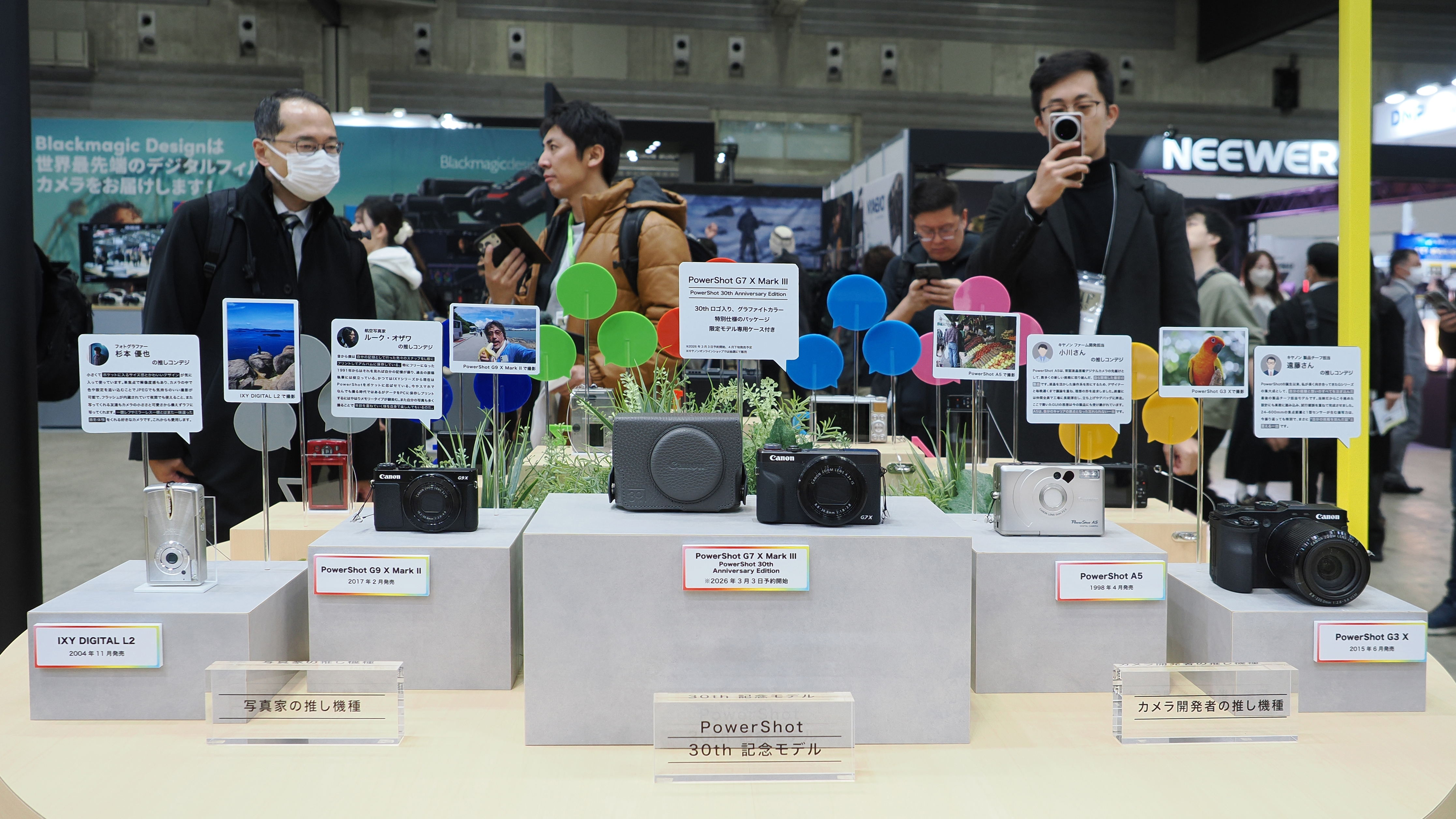
Wherever I went at the CP+ 2026 show, there were compact cameras everywhere. From Kodak and Yashica to Panasonic and Fujifilm, it felt like there were compacts in every direction I looked.

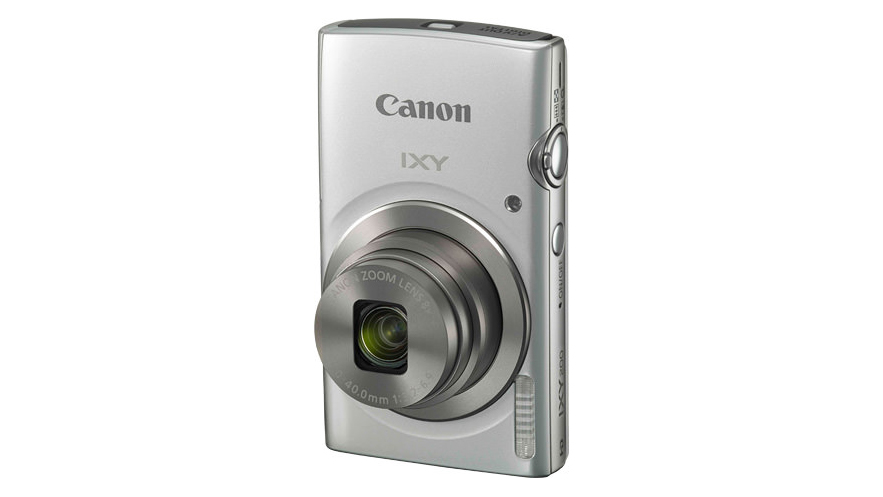
But while Canon’s stand didn’t have the most compacts (that honor went to Lomography), it had the most impressive collection. That’s because Canon trotted out a lineup of all-time greats across its PowerShot and Elph / Ixus range, celebrating the 30th birthday of both product lines.

It’s always fascinating to see which products a manufacturer picks out from its vast catalog, so I made a beeline for Canon’s booth where I had to wait in line (yes, compacts really are that popular!) to get a look at the 12 compact cameras that the company had picked out from the last 30 years.

I have to admit, I was surprised to see some of the choices Canon made – not because they’re bad, per se, but more because there are so many great cameras from the last three decades that are arguably more interesting or deserving.

Anyway, here’s a rundown of the 12 Canon compacts showcased at CP+. I’d love to hear your thoughts on whether you agree with the choices – let me know in the comments!

1) Canon PowerShot V1 (2025)

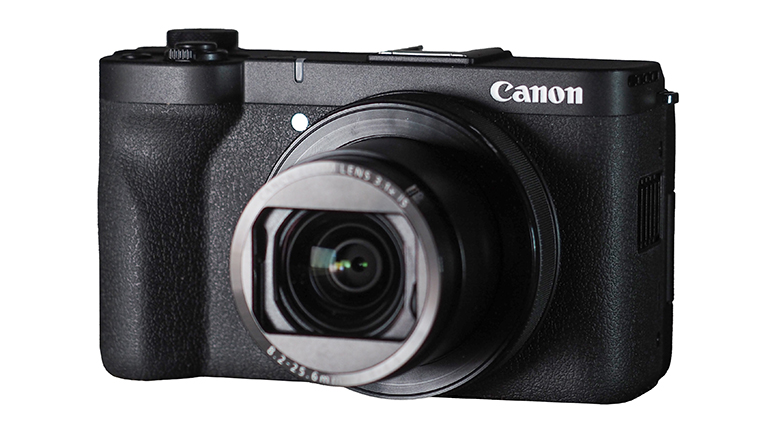
Launched last year at CP+ 2025, the Canon PowerShot V1 springboarded the company’s premium compact line squarely into vlogging and video territory with its bespoke 22.3MP 1.4-inch sensor, equivalent 17-52mm lens (16-50mm for stills), built-in ND filters, oversampled 4K 30p video and bundled wind mufflers for its impressive internal microphones.

2) Canon PowerShot SX740 HS (2018)

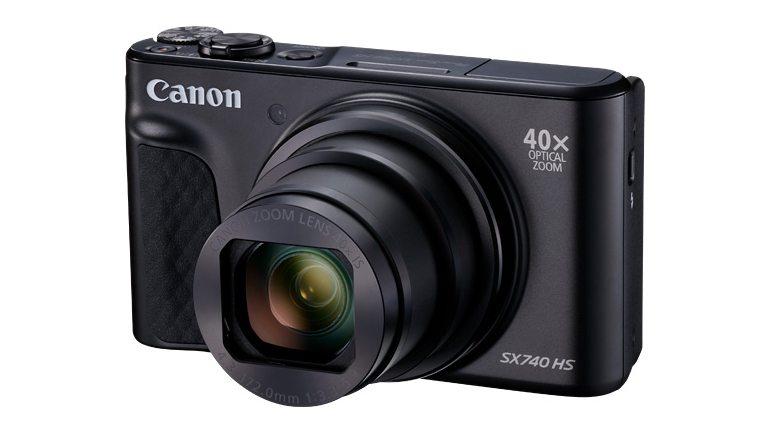
A pocket powerhouse for stills, the Canon PowerShot SX740 HS boasts a 40x zoom lens (24-960mm equivalent), with double digital extension to 80x (maxing out at 1920mm), and a 20.3MP sensor packed into a truly tiny form factor that’s just 39.9mm thick and weighs a mere 299g.

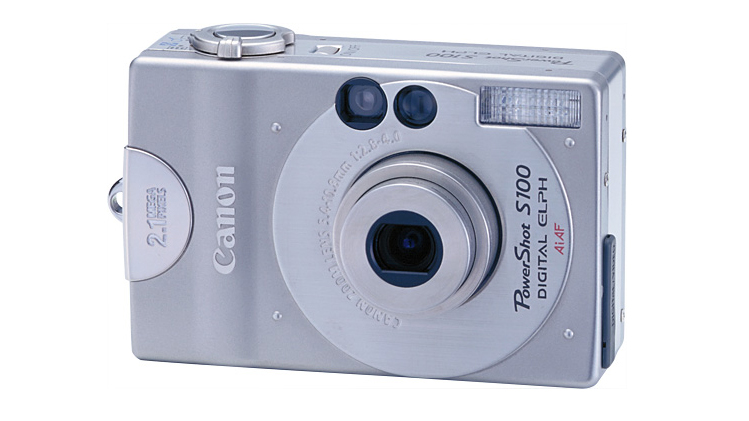
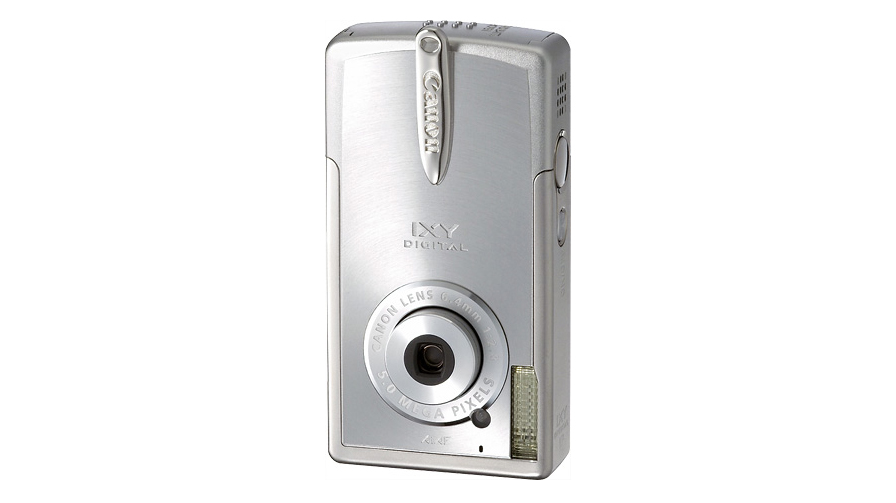
3) Canon PowerShot S100 Digital Elph (2000)

Sold as the Digital Ixus in Europe and the Ixy Digital in Japan, the Canon PowerShot S100 Digital Elph adhered to the playing card-style size of classic Ixus / Ixy APS models, this tiny 87 x 57 x 26.9mm camera features a 2.11MP 1/2.7″ CCD sensor and 35-70mm equivalent zoom lens.

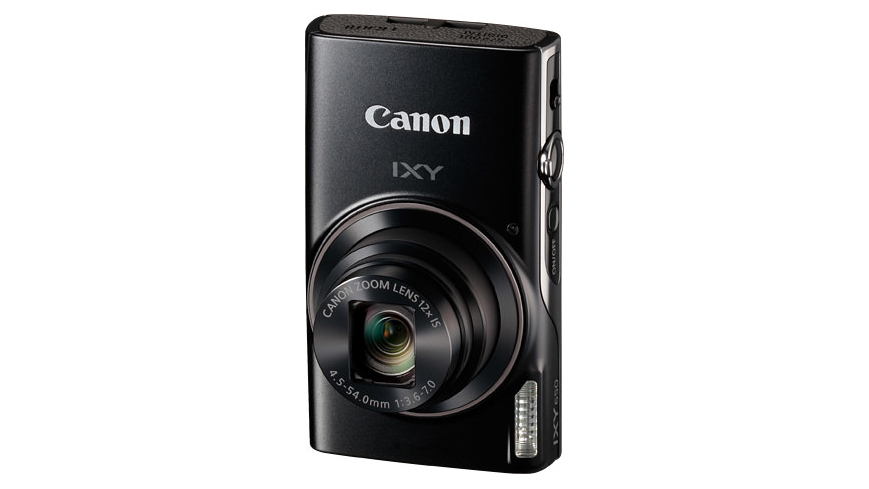
4) Canon PowerShot Elph 360 HS / HS A (2016 / 2025)

Originally launched in 2016 as the Elph 360 (or the Ixus 285 HS in Europe and Ixy 650 in Japan), this camera received a light refresh last year as the Canon PowerShot Elph 360 HS A ( / Ixus 285 HS A / Ixy 650M), bringing back its 20.2MP sensor and 12x 25-300mm zoom (digitally extending to 24x).

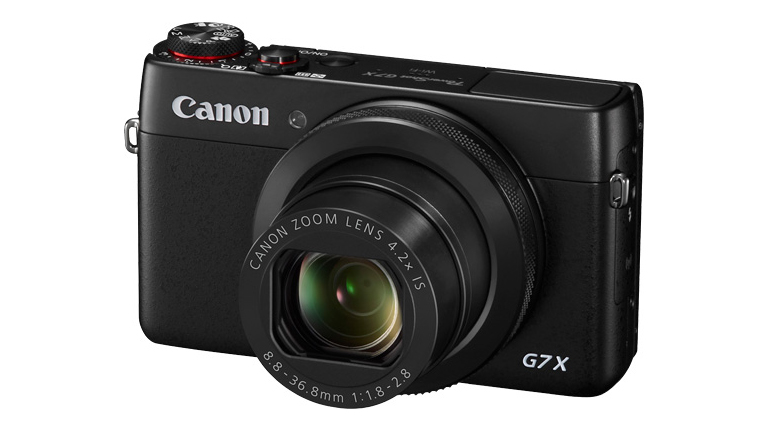
5) Canon PowerShot G7 X (2014)

A cult classic from the moment it launched, the PowerShot G7 X came fully loaded with an everyday-friendly 24-100mm lens and a blistering-fast f/1.8-2.8 aperture. Throw in a 1-inch 20.2MP sensor with 6.5fps bursts and AF that acquires focus in just 0.14 seconds, this is a fantastic all-purpose shooter.

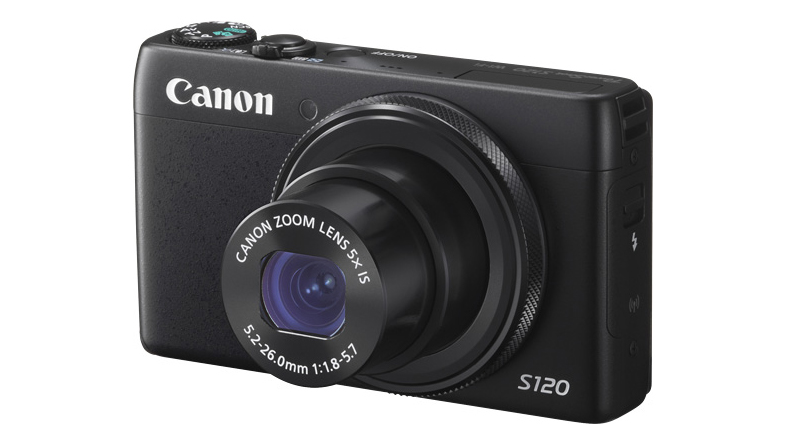
6) Canon PowerShot S120 (2013)

A high-end compact in its day, the S120 offered a lightning-quick 12fps shooting matched by an AF system that could focus in 0.10 seconds. Its 24-120mm equivalent lens, 12.1MP sensor and built-in WiFi rounded out an impressively complete package for the time.

7) Canon PowerShot Elph 185 (2017)

Another mismatched model across the world, the PowerShot Elph 185 was sold as the Ixus 185 in Europe and the Ixy 200 in Japan. Its handy 8x 28-224mm equivalent zoom (which could be digitally doubled to 16x) and 20MP CCD sensor brought beginner-friendly functions like a Date button (to add date information without drawing from the EXIF) and an Easy Auto mode that disabled other buttons to prevent accidental commands.

8) Canon PowerShot SD20 Digital Elph (2004)

The naming conventions are out of control with this one, as the Canon PowerShot SD20 Digital Elph was called the Digital Ixus I5 in Europe and the Ixy Digital L2 in Japan. Its refined catwalk looks were paired with a precision 39mm f/2.8 equivalent lens and a 1/2.5″ 5MP CCD sensor.

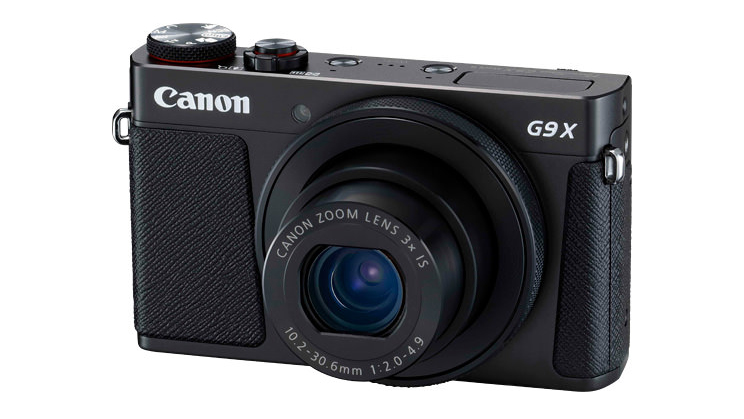
9) Canon PowerShot G9 X Mark II (2017)

With a 1-inch, 20.1MP sensor for superb image quality, a 28-84mm lens for great versatility and Dual Sensing IS technology for solid stabilization, this was a real portable powerhouse – especially considering its 98 x 57.9 31.3mm size and 206g weight.

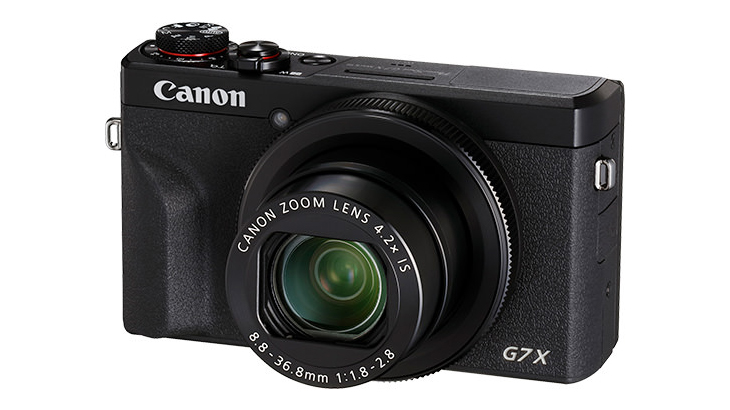
10) Canon PowerShot G7 X Mark III 30th Anniversary Edition (2026)

An absolute monster seller for Canon, and for good reason! The original Canon PowerShot G7 X Mark III from 2019 boasted the company’s first-ever stacked image sensor, with 20.1MP of resolution and a chunky 1-inch format for top quality. It offered an equivalent 24-100mm f/1.8-2.8 lens with flagship 30fps shooting and, for the first time in a Canon compact, full-width 4K video. Perennially popular, it was re-released in limited form as the Canon PowerShot G7 X Mark III 30th Anniversary Edition earlier this year to commemorate PowerShot’s birthday.

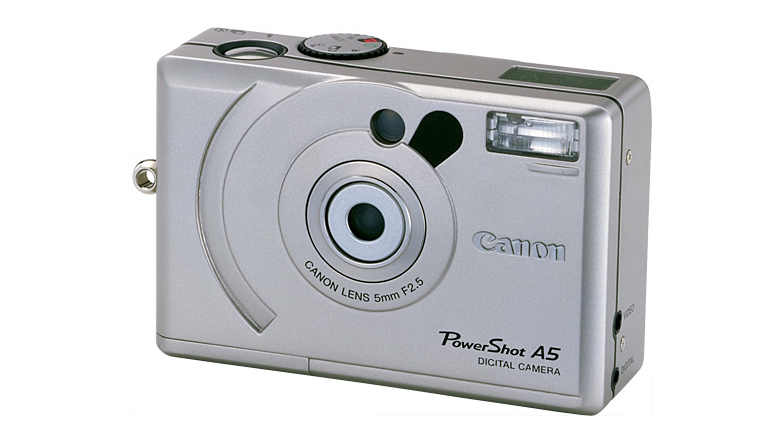
11) Canon PowerShot A5 (1998)

An underappreciated gem, the A5 featured a svelte 103 x 68 x 32.5mm body encased in a special duralumin alloy. Its motorized retracting 35mm f/2.5 lens system kept it completely flat, with an 0.81MP 1/3″ CCD sensor delivering pleasing results despite its lack of pixels.

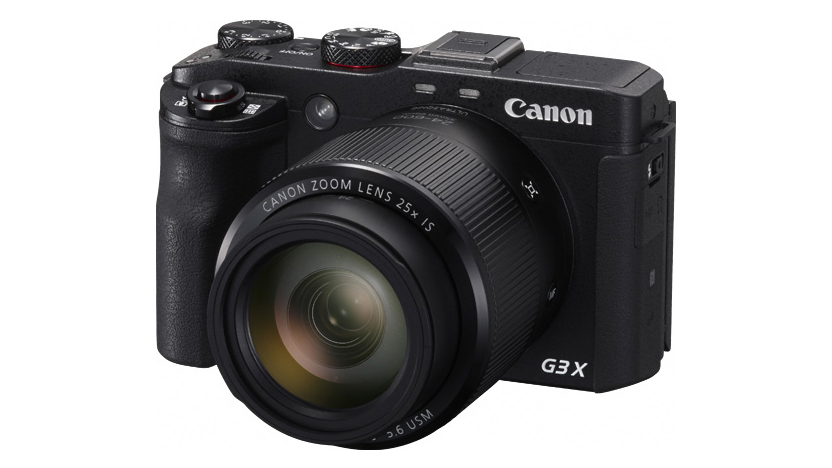
12) Canon PowerShot G3 X (2015)

This G-series premium compact featured weather sealing, an amazingly useful 24-600mm equivalent zoom lens and a 20.2MP 1-inch sensor featuring a maximum sensitivity of ISO12,800 for impressive low-light and low-noise performance.

You might also like…

Check out the best compact cameras and the best point and shoot cameras from all the brands, along with the best Canon cameras across all categories.

Like this article? For more stories like this, follow us on MSN by clicking the +Follow button at the top of this page.

The giants of Bangkok’s urban jungle: monitor lizards

Bangkok, nine o’clock in the morning. The tropical heat is slowly settling over Thailand’s capital like a damp towel.

The last sweaty joggers and tai chi practitioners are just leaving Lumphini Park – the green lungs of the metropolis. Suddenly, a tourist’s scream slicing through the calm atmosphere.

With eyes widened in fear, he stares at a creature that looks as if it has stepped straight out of prehistoric times.

A two-metre-long lizard known as an Asian water monitor (Varanus salvator), is slowly moving across the asphalt and repeatedly flicking out its forked, dark tongue.

Unimpressed by the horror of the Chinese holidaymaker, it marches towards a lake dotted with yellow pedal boats – and glides smoothly into the water.

Tourists immediately start pedalling and approach with curiosity as the animal swims elegantly through the murky green lake with its tail flattened at the side.

A buffet for the lizards

Monitor lizards have populated the planet for many millions of years. It is estimated that thousands of specimens of the species live in Bangkok’s canals, called khlongs, and there are probably hundreds in Lumphini Park alone.

“The population is much more dense areas around Bangkok than anyone will find in the wild,” explains reptile expert Michael Cota from Thailand’s National Science Museum. This is due to the large food supply.

“Especially in Lumpini Park: people feed the fish, resulting in an overpopulation in fish, which allows the monitor lizards there to feed much more than in any wild area,” says the German-American, who is also involved in the specialist group for monitor lizards of the Species Survival Commission.

As meat-eaters and scavengers, they feel right at home among civilization’s discarded items, nosing around plastic bottles and rubbish for edible waste early in the morning.

Relocation plan fails

Ten years ago, the authorities took action because of the oversized population: in 2016, they decided to relocate some of the monitor lizards from the park to a reserve outside the city.

Joggers and cyclists had repeatedly complained about the lizards suddenly crossing their paths. The measure also made international headlines – because the harmless monitor lizards have long been an attraction.

However, the action backfired: the relocation was not coordinated with experts who are familiar with banded monitor lizards, says Cota. “The captures were made after all of the monitor lizards had laid their eggs.”

In addition, the largest specimens in particular were removed. “Since larger monitors eat smaller ones when they can, the hatchlings had few predators,” Cota notes. As a result, the park is now firmly back in scaly hands.

Banded monitor lizard versus Komodo dragon

Most international tourists are fascinated by the animals not only because of their size, but also because you can get so close to them.

There are only occasional moments of shock when visitors are sitting in the grass and one of the semi-aquatic prehistoric lizards suddenly crawls by.

They are not to be confused with the world’s largest lizards in Indonesia: Komodo dragons are potentially life-threatening to humans due to their poisonous saliva, enormous biting power and sharp claws.

Though their bite is not deadly, the creatures of Bangkok have an almost cinematic presence. “They kind of look like little Godzillas,” says Berlin resident Annika, who regularly goes on holiday to Thailand.

The lizards move as if in slow motion, there’s something majestic about them, says the 43-year-old. “When they suddenly dart into the water, you realize what enormous power they have.”

Selfies yes – touching no

Meanwhile, tourists from around the world exchange practical tips in Thailand travel forums: When is the best time to see them — and where?

The consensus: early morning is ideal, though sightings are possible at almost any hour, especially on the bridges spanning the city’s canals.

Are they dangerous? Not particularly. Humans aren’t on their menu. If you leave them alone, they’ll leave you alone. That said, monitor lizards have powerful bodies and sharp claws, and they deserve a healthy dose of respect.

“If the monitor lizard inflates its throat, it is warning you to move away,” says Cota. Although they can sometimes be photographed at close range, they should never be touched.

The expert adds: “They are among the most intelligent reptiles with documented evidence of them being able to count and make mental maps of their (territories).”

Bangkok is one of the few places in the world where they can be observed at such close range. In the wilderness of Thailand, on the other hand, they are shy and difficult to spot.

In one Thailand travel advice forum, one user sums it up like this: “Watching them is oddly calming. No rush. No fear. Just survival perfected over millions of years.”

The giant lizards are neither fearsome creatures nor tame attractions — but resilient neighbours thriving in the urban jungle.

Now I’ve held one, the Razr Fold feels like the US foldable competition Samsung needs

Serious cameras, skinny dimensions and a massive battery are three things Motorola will be bringing to the American foldable phone race later this year to finally give Samsung some much needed competition. For everywhere else – where book-style foldables are in more ready supply – a hands-on session at Mobile World Congress suggests the firm has a real contender on its hands at the first time of asking.

The US isn’t first in line: The UK and Europe will be getting the Razer Fold initially, with North America having to wait “a few more months” after the April 13 pre-sale date and late April shipping to get hold of one. It won’t be cheap, either: I was told £1759/€1999, although that will include a Motorola Razr Pen Ultra active stylus in the box. But the hardware could make it a real threat to the Galaxy Z Fold7‘s American dominance.

While the phone was initially previewed at CES back in January, Moto wasn’t ready to reveal every juicy spec detail. Now the picture is complete, it’s possibly the book-style foldable I’m most excited about.

The 6.6in outer display feels exactly like a traditional candybar-style smartphone, with a regular aspect ratio rather than going down the original Google Pixel Fold’s stubbier route. It’s satisfyingly slim (if not worrying the Honor Magic V6 for the outright class win) and the Blackened Blue model’s woven rear panel feels distinctive compared to the glass-backed competition. It has texture, which also helps create lots of grip.

It’s 9.9mm when closed and 4.6mm when open, so thicker than a present-day flagship phone – but not by so much it stood out to me. The hinge felt firm and held the phone confidently in its tent and laptop modes. I like that the outer screen is protected by Gorilla Glass Ceramic 3, a first for any foldable, but an IP48 resistance rating is now merely OK when rivals are managing IP69.

Inside there’s a generous 8.1in flexible OLED, with a sharp 2K resolution and high refresh rate. The Bose-approved, Atmos-ready stereo speakers could make it a streaming show binger’s best friend.

It’s powered by a Snapdragon 8 Gen 5, rather than the top-tier Elite chip, but felt snappy and responsive enough during my demo, which included a round of upcoming football game FIFA Heroes – picked to mark Motorola’s World Cup partnership, which includes a special edition version of the Razr Fold with gold World Cup decals on its rear panel. It looked great at high settings and played flawlessly.

More importantly the new silicon draws from a huge 6000mAh battery – no longer the biggest of any foldable, but significantly more than either Samsung or Google puts in their book-style handsets. 80W wired and 50W wireless charging has both those rivals licked for speed too.

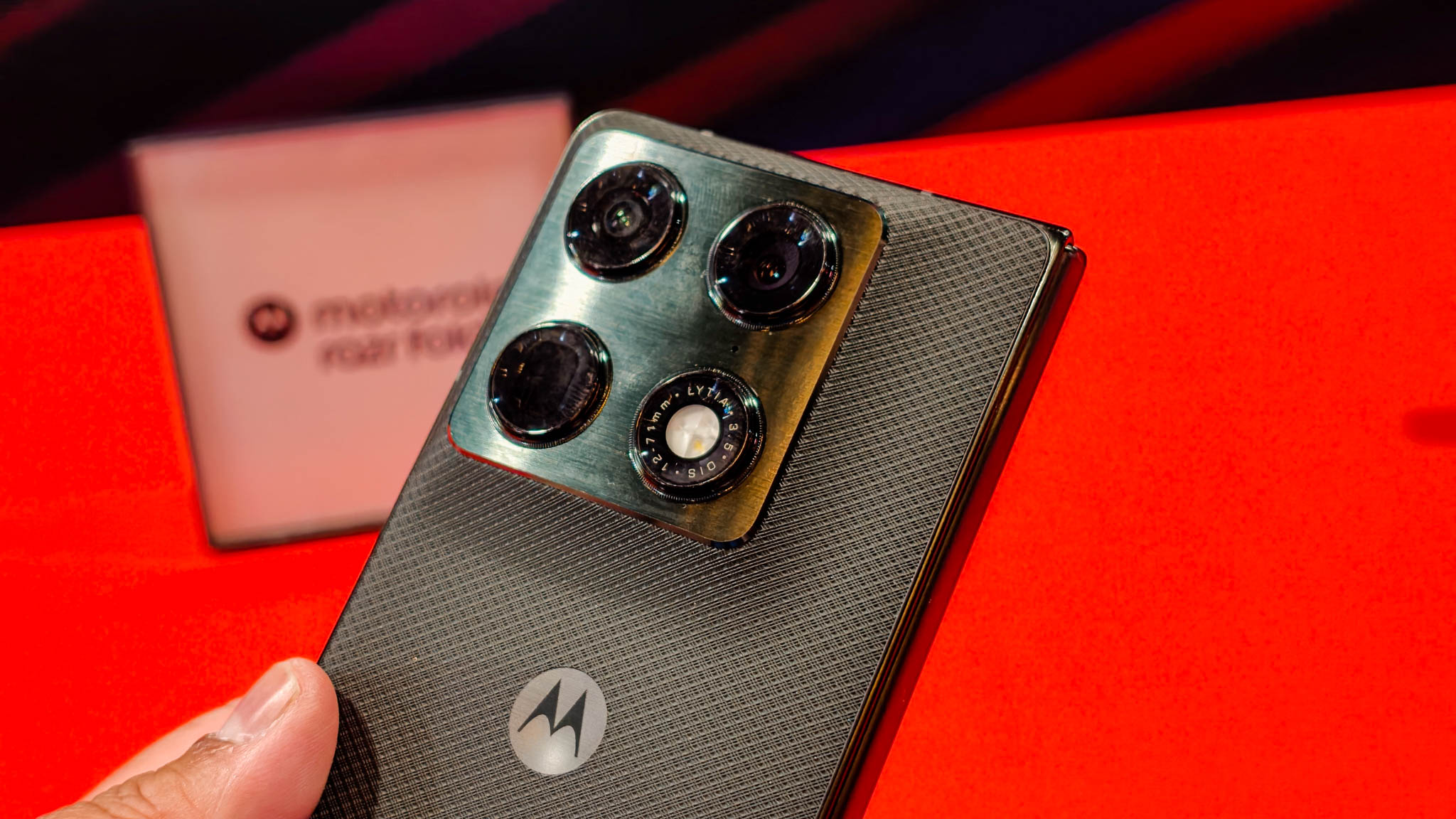
Motorola is also talking a big photography game, having claimed the number one spot on the DXOmark rankings for foldable phones, and into the top 10 of all phones period. That’s partly down to it using an all-new Sony supplied LYTIA 828 main sensor, with 50MP resolution and f/1.6 aperture. It’s backed up by a 50MP, 122-degree ultrawide with macro focus, and a LYTIA 600 telephoto good for 50MP and 3x optical zoom.

On the software side you’re getting a three app split view, which should be a boon for productivity. Motorola is also promising seven years each of new Android generations and security updates, suggesting it’ll be a great long-haul purchase.

The Motorola Razr Fold will be up for pre-order in the UK and Europe on April 13, for £1759/€1999, before shipping later that month. Expect the US to follow a few months later.

  • Related: Motorola’s Razr 60 Ultra foldable makes me wish more phones were made from wood

What the way you dress for sleep can reveal about your personality

You might think your sleepwear is just a practical detail. Yet, this discreet choice says a lot about your relationship with your body, your comfort, and your intimacy. Whether it’s a reassuring cocoon, a confident look, or total freedom, your nights also tell a story.

Nightwear, a mirror of your intimate space

Unlike daytime clothes, designed for the outside world, sleepwear belongs to a more personal realm. It accompanies the moment when you step out of your social roles and return to yourself. The fabric you choose, the cut that makes you feel comfortable, the way the garment gently or fluidly hugs your curves: all of this speaks to how you inhabit your body.

Those who love the cocoon: softness and security

If you prefer loose-fitting, covering, and soft outfits, you may be primarily looking for a feeling of being enveloped. Thick cotton, warm flannel, soft knit: these materials create a true cocoon around you.

This choice may reflect a need for security and stability. Your outfit marks a clear transition between the outside world’s hustle and bustle and a calmer environment. It structures your bedtime ritual and offers a reassuring bubble where your body can fully relax.

Playful patterns or outfits inspired by childhood don’t reflect regression, but rather an attachment to gentleness and lightness. You cultivate a form of tenderness towards yourself, and that’s a beautiful demonstration of self-esteem.

Nighttime elegance: continuity and affirmation

Conversely, if you opt for flowing nightgowns, satin sets, or more fitted styles, your sleepwear can seamlessly blend into your daytime look. Even in the privacy of your own home, you like to feel aligned with your aesthetic.

Choosing a more sophisticated piece doesn’t necessarily mean trying to seduce. It can simply reflect a positive relationship with your body, a desire to celebrate your physique and your presence. You’re affirming that your figure deserves to be showcased, even away from prying eyes. When the bed is shared, the relational dimension can come into play. Clothing then becomes a subtle language: sometimes intimate and comfortable, sometimes expressive and assertive.

The favorite t-shirt: freedom above all

Perhaps you’re one of those people who sleep in an old t-shirt, comfy shorts, or a mismatched outfit chosen without a second thought. This spontaneous approach to sleepwear can reflect a pragmatic personality.

For you, the essential thing is simple: to feel good in your body, without constraints. You place little importance on aesthetic standards in your private life. This freedom can also be a form of authenticity. You prioritize immediate sensation over image.

Sometimes, mixing styles even becomes a form of expression. Combining an antique piece with a more recent one can convey subtle creativity, a way to express your individuality, even when no one is watching.

Materials, the language of the senses

Your sensitivity to textures also says a lot. If you carefully choose soft, breathable, or flowing fabrics, you may be attentive to detail and sensory well-being.

Silk, satin, lightweight cotton: these materials can be chosen for the pleasure they provide against the skin as much as for their aesthetic appeal. This attention to touch often reflects a deep connection to your body and your sensations.

Conversely, if you keep worn or very simple clothes, it doesn’t necessarily mean you lack self-esteem. It all depends on the context. It could simply indicate that, for you, functionality takes precedence over appearance.

Sleeping with nothing on: freedom incarnate

Finally, some people choose to sleep naked. This choice can reflect a search for bodily freedom, a desire for unrestricted movement, or a need for coolness. Sleeping without clothes can also reflect a more peaceful relationship with one’s body. You accept your figure as it is, in its natural state. It’s a way to reconnect with your sensations, without the filter of clothing.

Ultimately, there’s no “right” or “wrong” way to dress for sleep. Each option primarily reveals what you’re looking for: security, comfort, self-expression, freedom, or simplicity. Observing your nighttime habits can offer interesting insights into your personality. The essential point, however, remains the same: to feel good, respected in your body, and in harmony with your needs. Because even in the silence of the night, your comfort deserves your full attention.

Motorola just shared Razr Fold specs, and it may just be the best camera and battery foldable of 2026

When Motorola initially showcased the Razr Fold, it didn’t share much in the way of actual details. That’s changing at Mobile World Congress 2026, with Motorola now providing all the specs of the upcoming foldable, and honestly, I’m excited to get my hands on the phone.

The Razr Fold comes with an 8.1-inch inner panel with 2K resolution, and there’s a 6.6-inch outer panel. Both get HDR10+ and Dolby Vision, and what’s interesting is that the outer panel goes up to 165Hz in limited use cases — the inner panel gets the standard 120Hz refresh.

It’s clear that Motorola is focusing on cameras as a clear differentiator, with the foldable touting what is possibly the best cameras in this category in North America. The Razr Fold gets an f/1.6 50MP Sony Lytia 828 main camera with an 1/1.28-inch sensor and 2.44um pixels, and it’s joined by an f/2.4 50MP Sony Lytia 600 tele lens with 3x optical zoom, and a 50MP wide-angle module with 122-degree field of view.

There’s also a 32MP camera on the outer panel, and a 20MP module on the inside. The use of Sony’s Lytia modules on the rear cameras should give the Razr Fold a definite edge, and for what it’s worth, Motorola is touting the foldable’s DXOMark Gold Label award and calling the Razr Fold the best foldable camera in North America and the second-best camera of any phone sold in the region.

Another feature that stands out is the battery tech; the Razr Fold gets a huge 6,000mAh silicon-carbon battery, and it has 80W charging tech alongside 50W wireless charging. It’s exciting to see Motorola use silicon-carbon tech in this category, and the size of the battery gives the device a huge advantage over the Galaxy Z Fold 7.

The foldable is powered by Qualcomm’s Snapdragon 8 Gen 5 platform, and while it isn’t the most powerful chipset that Qualcomm offers, it shouldn’t have any issues. Motorola is selling the Razr Fold with 16GB of RAM and 512GB of storage, and the device gets IP4 and IP49 dust and water resistance.

Coming in at 4.6mm, the Razr Fold is only slightly thicker than the Z Fold 7, but you don’t notice that while holding the foldable. And while the weight is on the heavier side at 243g, that’s because of the bigger battery, and I don’t mind that one bit.

Motorola is also guaranteeing seven years of Android OS updates alongside seven years of security updates on the Razr Fold, putting it on the same footing as the Pixel 10 Pro Fold and the Z Fold 7.

AC’s Take

I’m thoroughly impressed by what Motorola is doing with its book-style foldable. There’s a clear shortage of good foldables in North America, and Motorola’s decision to use a 6,000mAh battery and focus on the cameras gives the Razr Fold a sizeable advantage in this category.

All that remains is to see how much the foldable costs — Motorola didn’t share that information — and when it will release. But having used it at Motorola’s briefing, I’m excited for the Razr Fold to launch later this year.

Like this article? For more stories like this, follow us on MSN by clicking the +Follow button at the top of this page.

Australia’s timid response to the US and Israel’s attack on Iran risks being seen as complicity

International law matters when it comes to something as significant as a widescale military assault on a territory of another state, resulting in the death of its political and religious leader.

The 1945 United Nations charter was written at the end of the second world war to place significant constraints around precisely that type of conduct, and yet 80 years later there is a clear sense that we are living in a world in which “might is right”.

This is especially so when the significant military capability of the US and Israel is unleashed without any reference to accepted international norms.

Australia has been supportive of efforts to constrain Iran’s nuclear ambitions and has made clear it will not mourn the death of Khamenei. Foreign affairs minister Penny Wong’s statement that “I’ll leave it for the United States and Israel to speak of the basis, the legal basis for the attacks” was cautious and suggested Australia was fence-sitting. On one level this may seem reasonable as the onus clearly rests with the US and Israel to justify conduct which is a serious violation of the UN charter and an act of aggression. However, how other states react in situations like this matters, because silence or refusal to make a formal and clear statement can be interpreted as complicity.

Related: Iran conflict to cause ‘serious’ travel disruptions as 115,000 Australians remain in region amid cancelled flights

Australia has consistently sought to uphold and support the UN charter since its adoption and has a strong record of having done so. We are now at odds with that.

The Albanese government consistently references its support for various forms of international law, especially in the context of its interactions with China in the South China Sea and regionally. International law cannot be cherry-picked. It requires consistent adherence, otherwise compliance will over time erode.

While there are several possible legal arguments that could be advanced to generally justify this type of military operation, none have merit in this instance. While the UN charter sought to place constraints on the use of military force and remove it from part of the everyday conduct of international relations that predated the second world war, it was made clear that the charter was not a “suicide pact”.

Two legal arguments are traditionally advanced to use military force. The first is when the UN security council has authorised the use of force. There are very limited examples of where this has occurred, with the 1991 Gulf War in which the US-led “Coalition of the Willing” acting under Security Council Resolution 678 expelled Iraqi forces from Kuwait after its annexation by Saddam Hussein the clearest example. In this instance, no such security council resolution authorising any use of force by any UN member against Iran has been adopted.

The other exception is self-defence, which the charter recognises following an armed attack by one state against another. While Iran has certainly been responsible for previous armed clashes with Israel and the United States, even taking into account the 2025 “Twelve Day War” there has been no recent incident that meets the threshold for either Israel or the US acting in self-defence.

Trump loudly proclaimed that the United States had “obliterated” Iran’s nuclear weapons capability after the June 2025 airstrikes, and did so again in the recent State of the Union address. The fact is that neither Israel or the US were facing any imminent peril of a nuclear strike from Iran.

Related: Supporting ‘illegal aggression’ against Iran ‘the worst thing’ Australia could do, international law experts say

To date the response from around the world to the American/Israeli conduct has generally welcomed efforts to contain Iran’s nuclear ambitions. Very few of the responses have directly addressed the issue of international law other than Norway, which made clear that the attacks were “not in line with international law.”

The evidence is clear that after Russia’s ongoing military assault on Ukraine, Israel’s war in Gaza, the US military intervention in Venezuela, and the US/Israeli missile barrage on Iran, that core principles of international law and constraints on the use of force are threatened.

Trump’s disdain for international law and the United Nations, and repeated assertions from both him and White House officials that the US will not rule out using military force to take Greenland, are a further warning for the future of the international legal order.

Now is not the time for silence. Australia needs to stand up and make its position clear in support of international law.

  • Donald Rothwell is professor of international law at the Australian National University

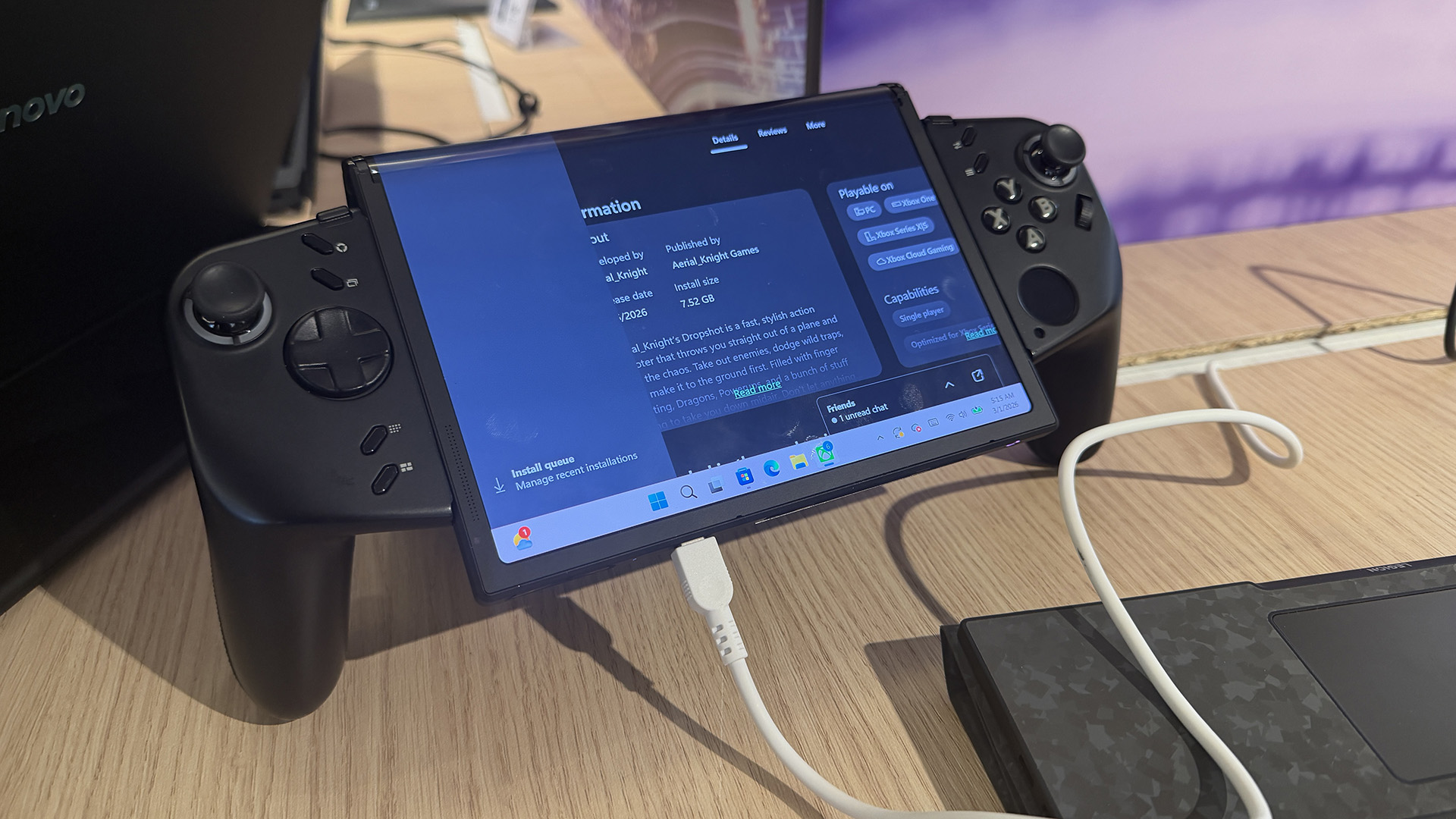
This folding laptop turns into a handheld gaming device – and I need one in my life

Lenovo has revealed its new devices ahead of MWC in Barcelona, along with some clever concept ideas that we’d love to see come to market. While its main business lies in the corporate user, its consumer Yoga book and Legion lines are pushing the limits of laptop design.

The most impressive model announced, though, is the Legion Go Fold concept. This 11.6-inch folding tablet comes with a keyboard and case for work. You can also attach the Legion gaming controller to the rails on the sides of the screen to use it either as a large 11.6-inch handheld.

The controllers can also be attached to the longer edge, allowing the display to be angled up and used as a split-screen display. Alternatively, you can fold it completely hiding half the screen underneath and just using as a smaller 7-inch display.

While just a proof of concept, as Lenovo calls it, this model feels like it could easily be made into a consumer product and is something that would likely attract a big audience. We’ve seen a growing interest in both the handheld gaming console market and the folding tablet market, so combining both of these things feels like a winner.

Working in 3D or with AI

Another interesting concept is the Yoga Book Pro 3D. This features two 16-inch 3.2k tandem OLED displays with the top screen allowing glasses-free 3D via directional backlighting and eye tracking. The device supports hand gestures to rotate objects and zoom, it also features magnetic pads that, when snapped on to the display, activate contextual buttons for things like colour, lighting and view adjustments.

On the slightly whackier side is Lenovo’s AI Workmate. This is a motorised AI assistant that looks like an Anglepoise lamp, accept with a digital display ‘face’ and a built in projector. The demo showed the AI assistant creating a slideshow presentation and then displaying it on the desk then repositioning to project it at the wall. With a built-in camera, it can also help with signing documents – projecting the image of the document on the desk, capturing your signature and then combining them, all in seconds.

The AI Workmate has been given a character, much like Lenovo’s Tico assistant, that attaches to the top of a ThinkBook using the MagicBay connection. It has two large cartoon eyes on the display and various animations like a hand to the ear as it listens or drinking coffee as it waits for you to give it more commands.

Other concepts included an AI Work Companion that is a dock with a screen and a modular ThinkBook with a second 14-inch screen in the lid that can be detached to operate as a portable second screen or swapped for the keyboard to form a dual-screen display. It also features swappable ports to allow you to move or replace the connections.

Plus, some models you can actually buy

There were real products too. A new Legion Tab Gen 5 is an 8.8-inch tablet with Snapdragon 8 Elite 5 and a much bigger battery capacity than before – now around 9000mAh rather than the 6000mAh on the previous generation. The Yoga Slim 7i 14 and Yoga 9i 2-in-1 have been refreshed with Intel Core Ultra Series 3 processors and the 9i has updated pen support for AES 3.0 and Yoga Pen 2.

There’s also a new IdeaPad Slim 5i Ultra clamshell laptop and an IdeaTab Pro Gen 2 in a funky ‘jelly mint’ colour. These are aimed at students or the budget-conscious.

Like this article? For more stories like this, follow us on MSN by clicking the +Follow button at the top of this page.